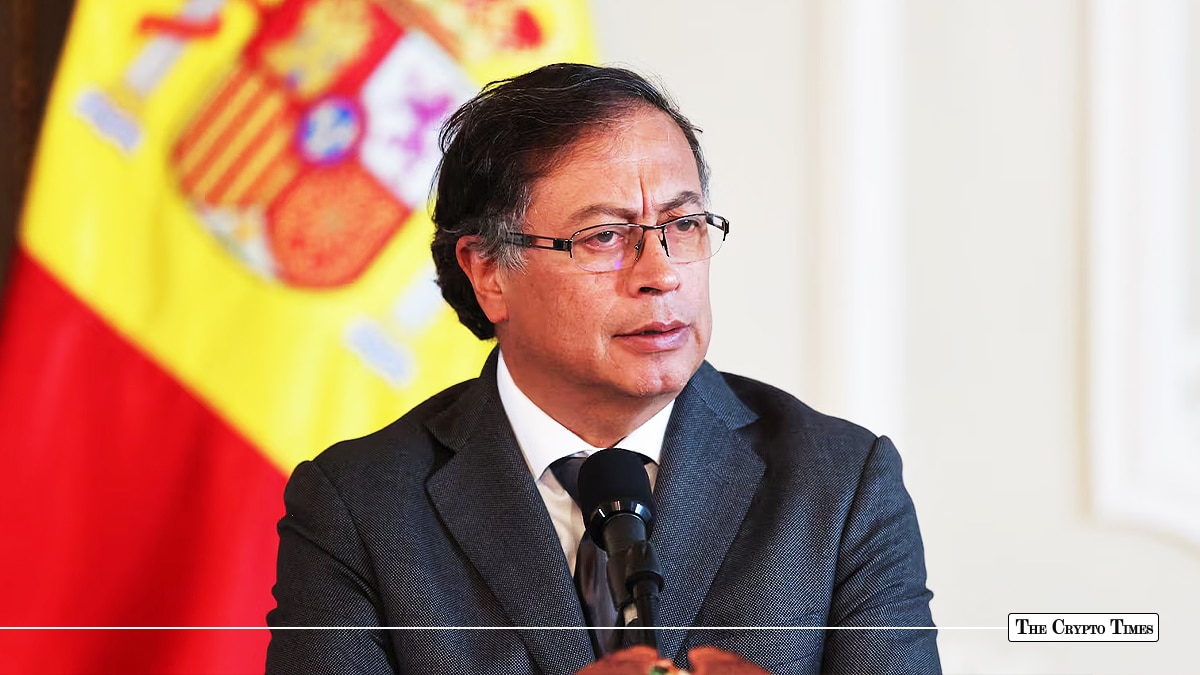
Colombia’s President Gustavo Petro is pushing a plan to turn the Caribbean coast into a Bitcoin mining hub, aiming to use abundant clean energies to attract investment and support economic growth. In a post on X, he pointed to cities including Barranquilla, Santa Marta, and Riohacha as potential locations for mining operations.
Petro said the initiative could boost local economies while expanding the use of clean energy. “It’s an immense boost to the development of the Caribbean,” he said, adding that the Wayúu community could take part as co-owners. The proposal ties energy use, investment, and regional development into a single strategy.
Renewable energy meets mining demand
Colombia already generates about 75% of its electricity from renewable sources, according to the World Bank. Petro sees Bitcoin mining as a way to put that excess power to use. Wind energy projects in La Guajira could support the plan. State-owned Ecopetrol is developing the Windpeshi project, which is expected to begin operations by 2028.
The model shows how surplus electricity can be converted into a steady source of revenue. Countries with lower power costs are also better positioned to attract a larger share of global mining activity. In turn, this approach could help emerging economies unlock new and more stable income streams
Petro’s comments followed data shared by Alessandro Cecere, who pointed to Paraguay’s growing mining footprint. The country now accounts for about 4.3% of global hashrate. It has expanded by using hydroelectric power from the Itaipu Dam.
Global race and political uncertainty
Petro’s proposal faces a tight political window, as his term ends in August and Colombia heads to elections on May 31. He cannot run again, leaving the next administration to decide whether the plan moves forward. So far, leading candidates have not outlined clear positions on crypto or mining.
Globally, competition for Bitcoin mining is intensifying. The United States has proposed the “Mined in America Act” to expand domestic operations. Russia now treats mining as a form of export revenue, while Ethiopia is seeking foreign investment to build its own infrastructure.
Network data also points to steady industry growth. Despite recent price swings, Blockchain.com data shows Bitcoin’s hashrate remains close to one billion TH/s. Miners continue to operate through downturns, suggesting long-term confidence in the sector rather than short-term speculation.
Also Read: Senator Lummis Declares CLARITY Act “The Priority” Amid Fresh Banking Divide