Key Highlights
- CLARITY Act talks have shifted to developer protections tied to 18 U.S.C. § 1960.
- Patrick Witt said Section 1960 is the final hurdle and should be resolved “very soon.”
- Chuck Grassley’s expected review could shape whether DeFi safe harbors survive in the final Senate text.
U.S. crypto market structure talks have moved to a new pressure point, with Senate negotiators now focused on whether CLARITY Act developer protections could limit federal money-laundering enforcement.
The dispute centers on 18 U.S.C. 1960, the federal statute covering unlicensed money transmitting businesses. In the crypto bill, the issue is whether non-custodial software developers, wallet providers, and infrastructure operators should be protected from being treated as money transmitters when they do not control user funds.
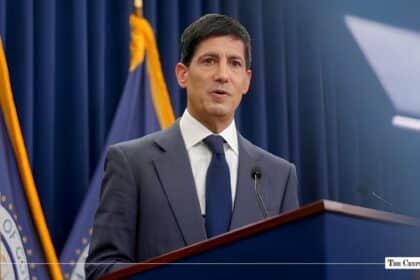
White House digital assets adviser Patrick Witt said Monday that Section 1960 is the “final hurdle” for the CLARITY Act and that the issue should be resolved “very soon.” Witt argued that software developer protections are essential to bring blockchain builders back to the United States, saying only 19% of crypto developers are currently based in the U.S.
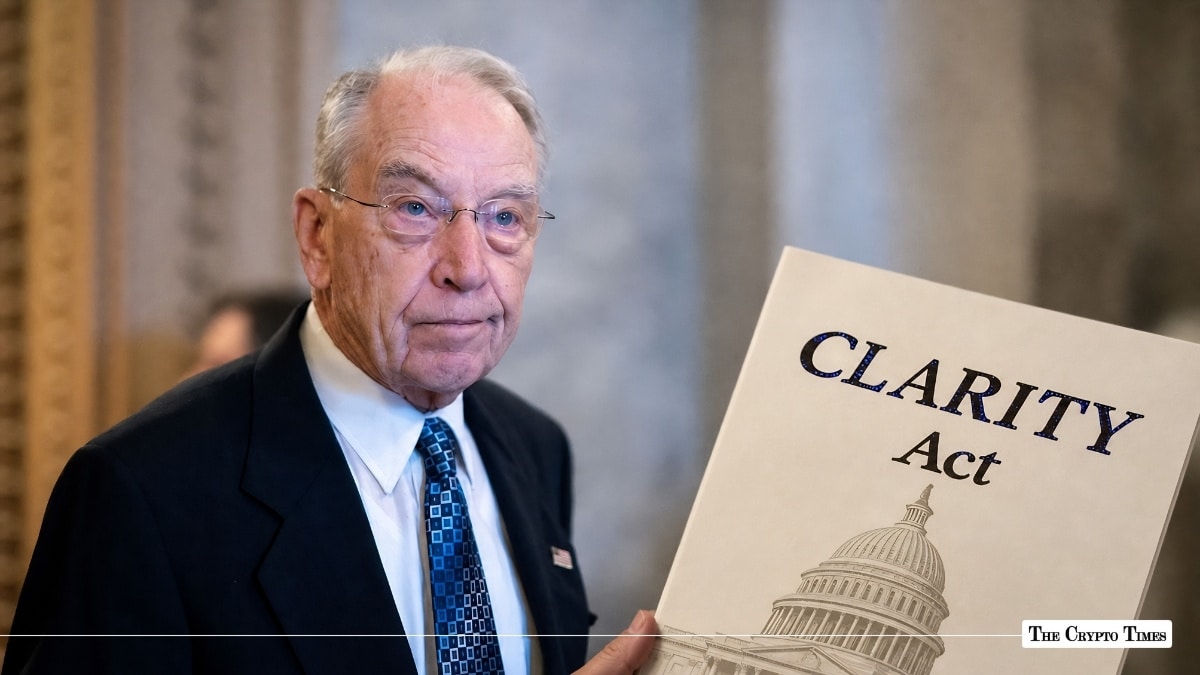
The issue has also drawn attention from Senator Chuck Grassley, chairman of the Senate Judiciary Committee. Grassley is expected to weigh in this week on proposed changes to Section 1960 language, including language that would prevent safe harbors from applying to software developers who knowingly facilitate money laundering. That claim should be attributed unless confirmed directly by Grassley’s office or Senate Judiciary.
Why Section 1960 matters for CLARITY Act
The Senate Banking Committee’s market structure draft includes protections for “non-controlling” developers and providers. The draft defines such parties as developers or providers that do not have the legal right or unilateral ability to control, initiate, or carry out transactions involving user digital assets without another party’s approval, consent, or direction.
Under the draft, a non-controlling developer or provider would not be treated as a money transmitting business under Title 31 or as engaged in money transmitting under Section 1960 of Title 18 solely because they create software, provide self-custody tools, or support blockchain infrastructure.
That language is central for decentralized finance builders because it separates neutral software development from custodial financial activity. In practice, it is designed to protect developers who publish code, build self-hosted wallet tools, run interfaces, or provide blockchain infrastructure without holding customer assets.
But the draft does not give developers a blanket shield. Earlier Senate Banking language said the protection would not affect whether a developer or provider could still be treated as a money transmitter under federal or state law, including anti-money laundering and counter-terror finance laws, when the conduct falls outside the protected scope.
That is where the current fight sits. Lawmakers are trying to protect non-custodial developers without creating a legal loophole for actors accused of knowingly helping illicit funds move through crypto rails.
Grassley has already challenged developer protections
Grassley’s role matters because the Judiciary Committee has already pushed back on developer safe harbor language. Galaxy Research said Grassley and Senator Dick Durbin sent a joint letter in January to Senate Banking leaders objecting to the Blockchain Regulatory Certainty Act’s inclusion in the market structure package, arguing that the provision modified Title 18 of the U.S. Code, including Section 1960.
CoinDesk also reported in January that Grassley and Durbin opposed placing crypto developer protections inside the market structure bill, saying the provision raised criminal enforcement concerns.
That earlier objection makes Grassley’s expected review important for the Senate version of CLARITY. If Judiciary lawmakers press for narrower language, DeFi developers could receive less protection than the crypto industry has pushed for. If the compromise holds, the bill could preserve a safe harbor for non-controlling developers while excluding those who knowingly facilitate money laundering.
DeFi protections remain the political fault line
The Section 1960 fight is not just a technical legal dispute. It goes to the center of the CLARITY Act’s DeFi bargain.
Crypto advocates want Congress to make clear that developers should not face money-transmitter liability simply for publishing code or building non-custodial tools. Law enforcement-focused lawmakers want assurance that the same language will not block prosecutors from pursuing actors who use software development as cover for illicit finance.
Coin Center has argued that the Blockchain Regulatory Certainty Act would protect non-controlling developers and providers from being treated as money transmitters solely for publishing software, providing tools, or supporting infrastructure.
However, law enforcement concerns remain live because Section 1960 is a criminal statute, not just a regulatory classification issue. That makes any safe harbor politically sensitive, especially when sanctions evasion, mixers, ransomware payments, and illicit crypto flows remain major policy concerns in Washington.
Senate path depends on final language
The outcome could determine whether CLARITY moves forward as a broad market structure bill with meaningful DeFi protections or slows again over criminal enforcement concerns.
Galaxy Research said CLARITY still faces several steps after a Senate Banking Committee markup, including a 60-vote Senate floor threshold, reconciliation with Senate Agriculture’s work, reconciliation with the House-passed bill, and final passage before reaching the president’s desk.
For crypto firms, the practical question is whether Congress can draw a clean line between neutral infrastructure builders and actors who knowingly help illicit money move through digital asset rails.
That line now runs through Section 1960. And Grassley’s review could decide how much of DeFi’s developer shield survives in the final Senate text.
Also Read: Polymarket Odds Surge to 61% as CLARITY Act Deal Breaks Deadlock