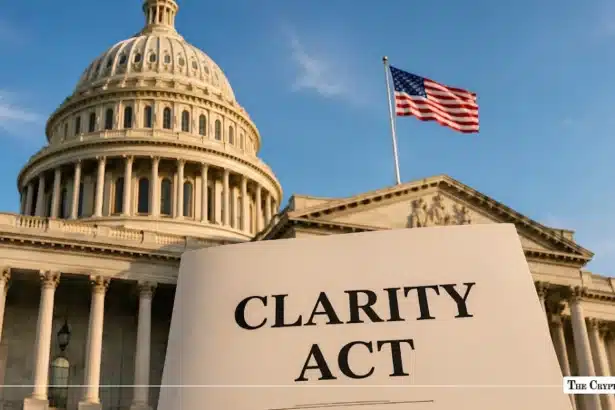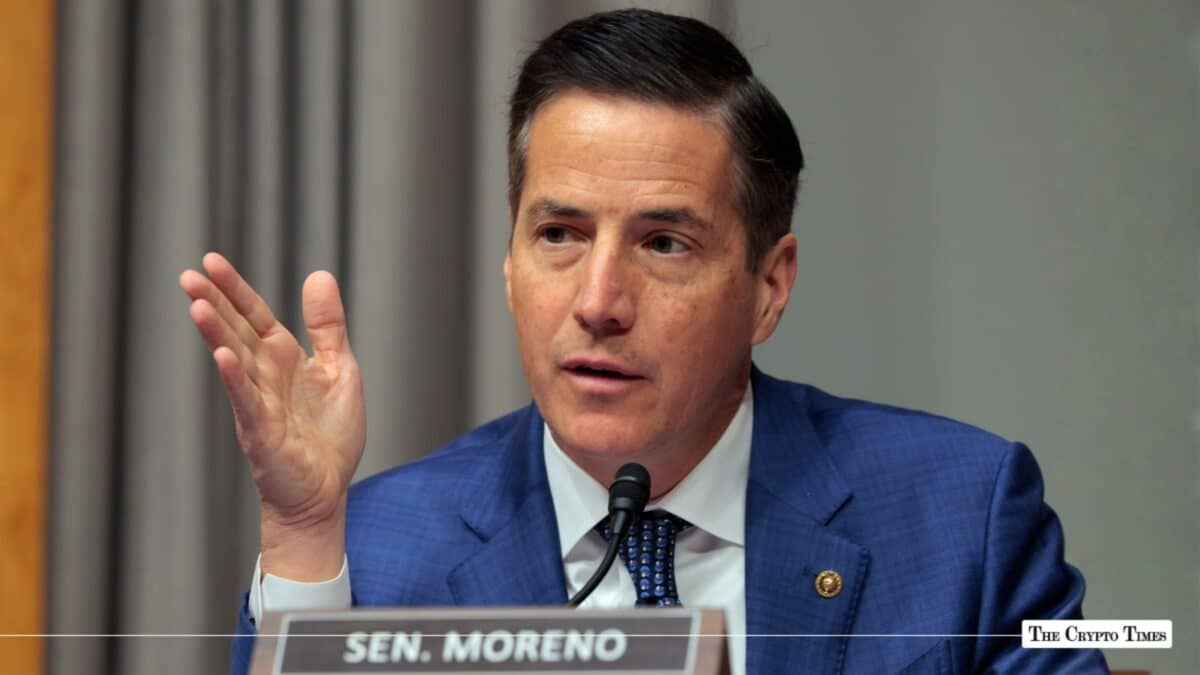
The window for comprehensive cryptocurrency market structure legislation in the United States is rapidly closing. Speaking at a Washington event on Wednesday evening, Senator Bernie Moreno (R-OH) set a firm timeline for the highly anticipated CLARITY Act, stating he expects the bill to be completed by the end of May.
As first reported by Fox Business journalist Eleanor Terrett, the Ohio Republican stated, “I think we’re going to get it done by the end of May.” Moreno had previously warned that failing to meet the May deadline would push crypto market structure legislation off the table “for the foreseeable future,” especially with the 2026 midterm elections looming and Congress heading into recess.
The stakes are high. The Digital Asset Market Clarity Act of 2025 (CLARITY Act), which passed the House last year, aims to create a long-overdue federal framework for digital assets. It would delineate regulatory authority between the Securities and Exchange Commission (SEC) and Commodity Futures Trading Commission (CFTC), provide legal clarity for stablecoins and DeFi protocols, and foster innovation while protecting investors and the financial system.
Dismissing the Bank Lobby
A major roadblock for the CLARITY Act has been the fierce, ongoing debate over stablecoin yields. Traditional banking institutions and trade groups—including the North Carolina Bankers Association—have heavily lobbied against allowing crypto firms to offer yield-bearing stablecoins, arguing that it could trigger deposit flight and threaten traditional banking reserves.
However, Moreno signaled strong support for the crypto sector’s stance. During Wednesday’s event, the Senator reportedly dismissed the bank-led objections to stablecoin yield as just “a lot of noise in the system.”
This public dismissal marks a significant pushback against the traditional financial lobby. It suggests that pro-crypto lawmakers are losing patience with the stalling tactics and are prepared to advance the bill despite traditional finance’s concerns over decentralized finance (DeFi) provisions and stablecoin structures.
The Industry Ramps Up Pressure
The urgency articulated by Moreno echoes the broader sentiment across the digital asset industry. Advocacy groups have been pressing the Senate to act, arguing that “timely action is critical” as negotiations drag on.
Earlier this week, reports indicated that the initially targeted April markup for the bill had begun to slip due to these exact disagreements between the banking and crypto sectors. In response, groups like The Digital Chamber have flooded Capitol Hill, demanding that lawmakers finalize the text.
What Comes Next?
If passed, the CLARITY Act would be a historic milestone for the U.S. crypto sector. By firmly defining the oversight boundaries between regulatory agencies and clarifying the legal standing of digital assets, the bill would provide the regulatory certainty institutional investors have demanded for years.
As May approaches, all eyes will be on Senate Banking Committee Chairman Tim Scott and leading negotiators to see if a bipartisan consensus can overcome the “noise” and deliver regulatory clarity before the midterm election cycle freezes the calendar.
Also Read: Russia’s Duma Gives Initial Green Light to Central Bank Oversight of Crypto