Key Highlights
- South Korea plans new rules forcing financial influencers, or finfluencers, to disclose assets to cut hidden conflicts and misleading crypto tips.
- Lawmakers target paid stock and crypto hype on social media, with penalties close to insider trading or market manipulation.
- Global regulators like U.S. Securities and Exchange Commission and Financial Conduct Authority are also tightening the screws on finfluencers.
South Korea is cracking down on financial influencers, popularly known as “finfluencers,” who give advice on stocks and cryptocurrencies. The Democratic Party of Korea is pushing new laws that would make these influencers reveal the cryptocurrencies and other financial assets they own.
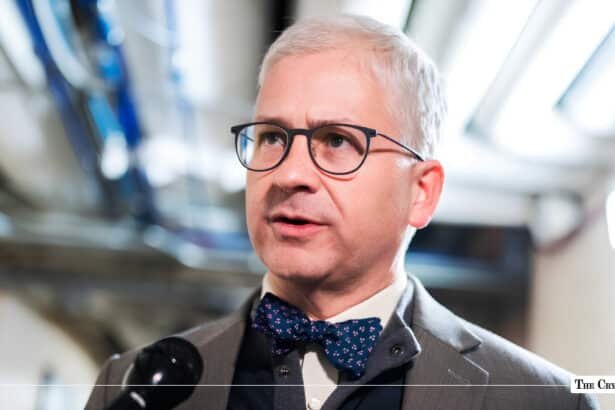
The goal is to protect investors from misleading tips as social media continues to shape people’s investment choices. As per a local report, Democratic Party lawmaker Kim Seung-won, of the National Assembly’s Political Affairs Committee, is leading the push to amend both the Capital Market and Financial Investment Business Act and the Act on the Protection of Virtual Asset Users.
The new rules focus on people who regularly give investment tips or get paid to influence others’ buying or selling decisions. They will now have to be open about the types and amounts of financial assets or cryptocurrencies they own, as well as any money they earn for giving advice. The law applies to tips shared through articles, broadcasts, chats, or social media posts.
The government will clarify the details through a Presidential Decree, and penalties could be similar to those for insider trading or market manipulation. Rep. Kim warned, “These individuals are providing inappropriate information and creating conflicts of interest. However, their opinions have significant influence on the public, causing unpredictable losses to investors.”
Rising risks of unregulated influencers
Regulators around the world are also stepping up their oversight. In the UK, the Financial Conduct Authority only allows financial promotions through approved channels. In the US, the SEC and FINRA fine or reprimand finfluencers who break the rules. In Korea, the number of quasi-investment advisors has jumped sharply, from 132 in 2018 to 1,724 in 2024.
Analyst Ahn Yu-mi said, “Considering the ever-increasing influence and risks of fin-influencers, a strong management system is required, including prior monitoring and post-sanctions by financial authorities.” She added that many unregistered advisors still post exaggerated claims online, showing why continuous monitoring is essential.
Also Read: India’s MeitY Opens Blockchain Push for E-Procurement, Health, and Land Records