Key Highlights
- Vitalik Buterin pledges 16,384 ETH to build tech that protects privacy, self-sovereignty, and user control over corporate interests.
- Ethereum’s 2025 upgrades improve speed, capacity, and decentralization while keeping privacy and censorship resistance a top priority.
- Distributed validator tech strengthens Ethereum security, reduces reliance on central servers, and puts power back in users’ hands.
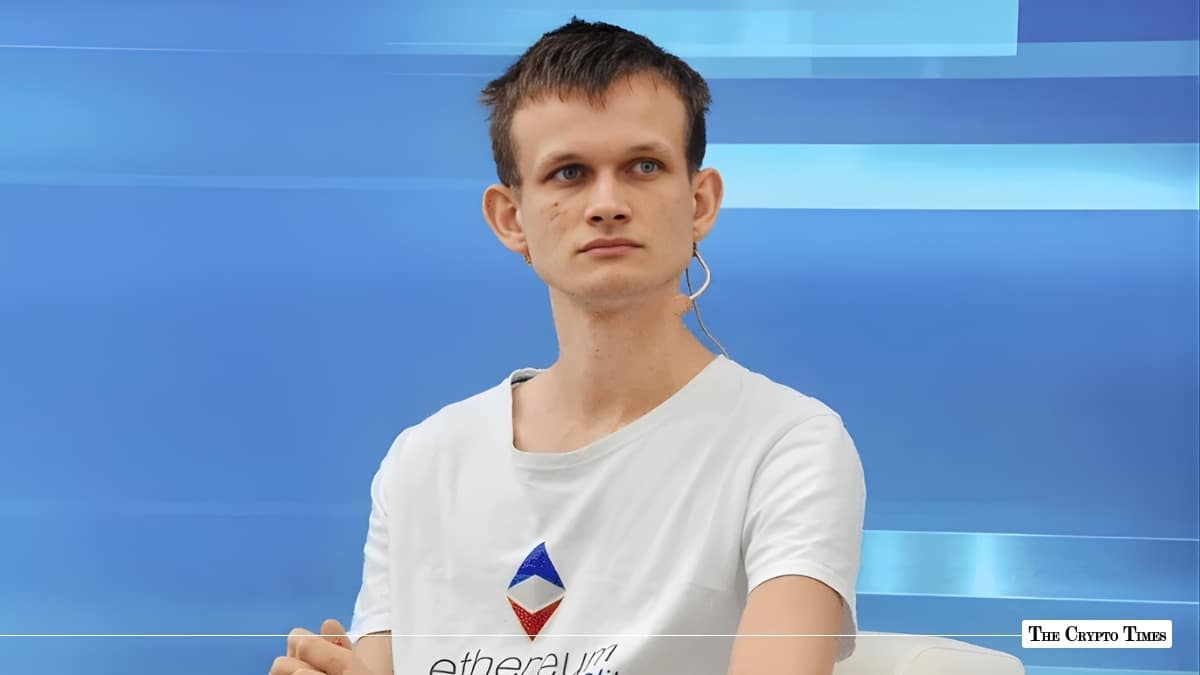
Ethereum Co-Founder Vitalik Buterin is accelerating efforts to protect digital privacy and self-sovereignty. In a detailed post on X, he announced that he has withdrawn 16,384 ETH to fund open, secure, and verifiable technology.
Buterin stressed that Ethereum isn’t just about making quick money. He wants apps and systems that run fairly, without fraud, censorship, or middlemen. His plan covers all kinds of tech—from finance and government tools to messaging and health apps—using secure hardware, operating systems, and blockchain systems that keep users in control and protect their privacy.
Besides funding these projects, Buterin said he would personally handle tasks that usually fall under the Ethereum Foundation’s special projects. He explained that his goal is to keep Ethereum’s core mission strong while ensuring the Foundation can operate long-term.
“Ethereum everywhere is nice, but the primary priority is Ethereum for people who need it,” Buterin wrote, highlighting that user control matters more than corporate-style growth.
Ethereum’s 2025 achievements and current challenges
Ethereum achieved big technical improvements in 2025. It could handle more transactions, store more data, and run nodes faster. On top of that, zkEVMs brought major speed and efficiency boosts. Combining zkEVMs with PeerDAS marked Ethereum’s biggest step yet toward becoming a completely new kind of blockchain.
Despite all these improvements, Buterin stated that there are still challenges that face Ethereum. Therefore, he encouraged the team of developers to look forward to their long-term goals instead of seeking fast solutions for the blocks. Currently, the Ethereum roadmap has prioritized privacy, censorship resistance, and openness as opposed to seeking more growth and control.
Buterin has also been a contributor to privacy-focused initiatives in his past. In November 2025, Buterin donated 128 ETH each to decentralized messaging applications Session and SimpleX Chat. In his post, Buterin hailed these applications because of their permissionless account creation feature alongside metadata privacy, citing them as “critical next steps in enabling encrypted communication.”
In August, Buterin also donated 200 ETH to the Animal Welfare Fund of Effective Altruism Funds. It is also worth noting that the Ethereum Foundation currently manages crypto assets valued at roughly $558 million, per blockchain analytics firm Arkham, while Vitalik Buterin personally holds around $666 million.
Innovative technical approaches
Buterin’s latest efforts have coincided with Ethereum’s focus on quantum-resistant cryptography and distributed validator technology. Validators could now operate across multiple machines, ensuring the network remained resilient and simplifying the technical burden on large ETH holders.
Under one key, every validator could create up to 16 virtual identities with ease for participation but in an un-centralized manner. “This design is extremely simple from the user’s point of view,” Buterin explained.
These upgrades also help Ethereum rely less on central servers or outside coordination. By adding distributed validator technology directly into staking, the network becomes more secure and avoids risks from a single point of failure. This fits Ethereum’s bigger goal: building tech that gives power to users, not big companies.
Community response
The Ethereum community responded positively to Buterin’s vision. Candide Labs’ Marc commented, “We stay the course on the hard road: open source, verifiable, and built for the walkaway test. We are intentionally building a product that allows you to leave us.”
Similarly, Ismail Amara, Marketing Lead at HederaHacks, highlighted that Ethereum’s true leverage lies in user-facing infrastructure like wallets, key management, and secure devices. He emphasized, “Effort should concentrate on making self-custody boring, privacy non-optional, and exit costs from centralized systems near zero.”
These responses show a common belief: Ethereum is valuable because it gives people control, not because it makes big companies richer. The focus is on privacy, personal freedom, and tech you can trust.
Also Read: Ethereum Plunges Below $2,700 — Could $2,094 Be Next?