Key Highlights
- Paul Atkins advocates to include crypto in 401(k) plans from federal regulators to individual fund managers.
- The move forces fiduciaries to choose between the risks of high market volatility and the potential failure to provide competitive returns.
- The absence of regulatory safe harbors has created a legal gray area for plan sponsors.
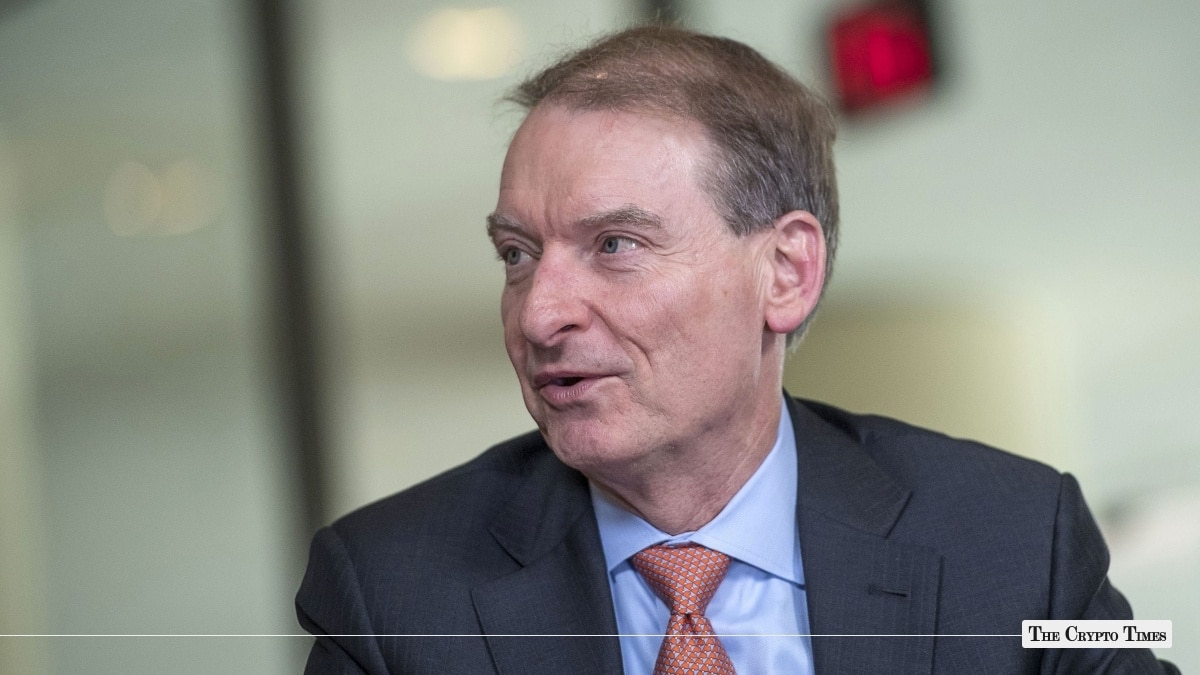
Securities and Exchange Commission (SEC) Chairman Paul Atkins discussed a potential shift in federal retirement policy, stating that professional fund managers and trustees should have the authority to include digital assets in 401(k) plans.
In an interview with CNBC on Thursday, Atkins said, “The time is right to go forward with that in a measured way that has guardrails to protect the retirees.”
The SEC hopes to follow a White House executive order focused on digital asset innovation and asset diversification for everyday workers. The proposal seeks to modernize the American retirement system by treating cryptocurrency like institutional pension funds that have already accepted digital assets.
However, while Atkins has expressed support for the idea, no formal rule has been passed. The SEC does not control retirement plans, as that responsibility falls under the U.S. Department of Labor (DOL).
Current unregulated market
The current state of affairs for 401(k) plans is that there is no clear regulation, leaving those who manage American wealth in a precarious position. If they choose to include crypto and the market crashes, they could be sued for not adequately safeguarding the retirement savings of their participants.
On the other hand, if they choose to exclude digital assets during a market boom, they could face backlash for not providing the modern diversification and competitive returns that the current executive branch now promotes.
Managers now face a tough choice
If passed, the proposal would shift the responsibility of risk from federal regulators to private managers. Sponsors would have to deal with the complex interaction between the latest portfolio theory and the issue of liability. Atkins framed this shift as part of his “Project Crypto” initiative, which emphasizes financial freedom and innovation.
However, this approach puts the wealth managers in a tough spot. Without established safe harbors, these fiduciaries need to consider the potential for institutional growth alongside the risk of lawsuits if the volatile crypto market suffers a major downturn.
Clearer guidance from regulators, like the Department of Labor, is required to shield managers from personal liability and to define exactly how digital assets can be integrated. As the primary enforcer of the Employee Retirement Income Security Act (ERISA), the department rescinded its “extreme care” warning in May 2025 to return to a neutral stance; it has yet to provide a green light for digital assets.
Industry-friendly regulatory approach
The need for crypto inclusion comes about as the SEC is now taking a more industry-friendly approach under the current administration. Atkins has been vocal about the need to shift away from regulation by enforcement and instead seeks to provide clear channels for new technologies.
This discussion is a part of a larger order that seeks to understand the role of digital assets in domestic savings. However, there might be some with the belief that the volatile nature of assets such as Bitcoin presents a major risk to the retirement savings of millions of American workers.
What comes next
The integration of crypto into 401(k) plans will likely require future coordination between the SEC and the DOL. Until formal regulations or safe harbors are proposed, plan sponsors will likely operate in a period of uncertainty.
While there is high potential for billions of dollars to flow into the crypto ecosystem, the immediate outcome is a complicated legal environment for fund trustees. The coming months will reveal whether the 401(k) market will truly adopt digital assets or if the fear of litigation will keep these trillions of dollars tied to traditional investment options.
Also Read: Tokenized Securities Face Same Rules as Traditional Assets, Says SEC