Key Highlights
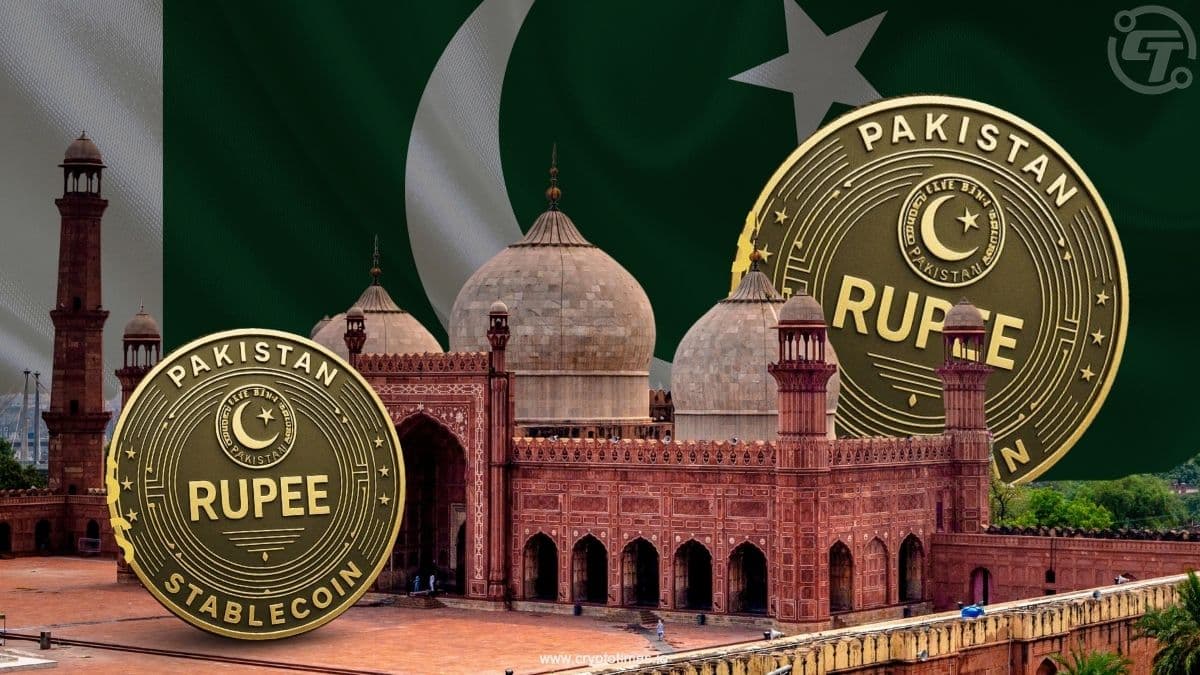
- Pakistan is set to launch its first national stablecoin as part of a major push to modernize its financial system and embrace digital assets.
- PVARA leaders say the stablecoin could help manage national debt and keep Pakistan competitive in global financial innovation.
- Regulators are expanding digital asset frameworks, supporting tokenized assets, remittances, and clear crypto rules for economic growth.
Pakistan is preparing to launch its first national stablecoin, marking a significant step in the country’s attempt to modernize its financial system.
According to a local report, the announcement came from Bilal Bin Saqib, Chairman of the Pakistan Virtual Assets Regulatory Authority (PVARA), during an appearance at Binance Blockchain Week in Dubai.
Stablecoins are digital tokens tied to traditional currencies, making them less volatile than cryptocurrencies like Bitcoin. Saqib said Pakistan views a stablecoin as a practical tool that could even help the government manage its debt.
He argued that Pakistan should not fall behind in global financial innovation, especially as local interest in digital assets continues to grow.
PVARA includes senior officials from the State Bank of Pakistan, the Securities and Exchange Commission, and the Federal Board of Revenue. The authority regulates digital assets, works to prevent illegal financial activity, and supports testing of new ideas such as tokenized assets and remittances.
Push for clear crypto regulation
According to a post on X by the Pakistan Crypto Council, Saqib also joined a panel discussion on the future of digital assets and emerging-market regulation.
He emphasized that countries like Pakistan depend on clear and innovation-friendly crypto rules to support economic growth. The council added that Pakistan’s work on stablecoins, digital frameworks, and financial inclusion could become useful examples for other developing nations.
The stablecoin initiative is part of a broader digital shift. In July, Pakistan and El Salvador signed an agreement to work together on Bitcoin and cryptocurrencies. Saqib met El Salvador’s President Nayib Bukele to discuss Bitcoin mining, energy use, reserves, and education.
Earlier this year, the government began developing a Strategic Bitcoin Reserve and allocated 2,000 megawatts of electricity for large-scale Bitcoin mining and AI data centers.
Pakistan plans AI migration crackdown
Beyond finance, Pakistan is preparing to use artificial intelligence to tackle illegal migration, particularly the use of fake travel documents.
Authorities say an AI-based system will begin testing in Islamabad from January to help identify ineligible travelers and block the use of forged visas. Officials have said there will be strict action against agents and companies involved in producing fraudulent paperwork.
In a related meeting, Interior Minister Mohsin Naqvi and Federal Minister for Overseas Pakistanis Chaudhry Salik Hussain agreed to overhaul the protector issuance system to streamline immigration processes and improve passenger facilitation.
Departments have been given one week to propose technological upgrades. Naqvi reaffirmed that individuals deported for document violations will not be issued new visas.
Together, these steps highlight Pakistan’s growing adoption of digital technologies to strengthen governance and close gaps where misuse has been common.
Also Read: Hackers Exploit USPD Stablecoin via Proxy Deployment Vulnerability