Key Highlights
- David Sacks denied the New York Times’ claims that he used his White House role to benefit his own investments.
- His lawyers said he followed all ethics rules, divested relevant holdings, and submitted required financial disclosures.
- Top crypto leaders defended Sacks, calling the allegations unfair and unsupported by facts.
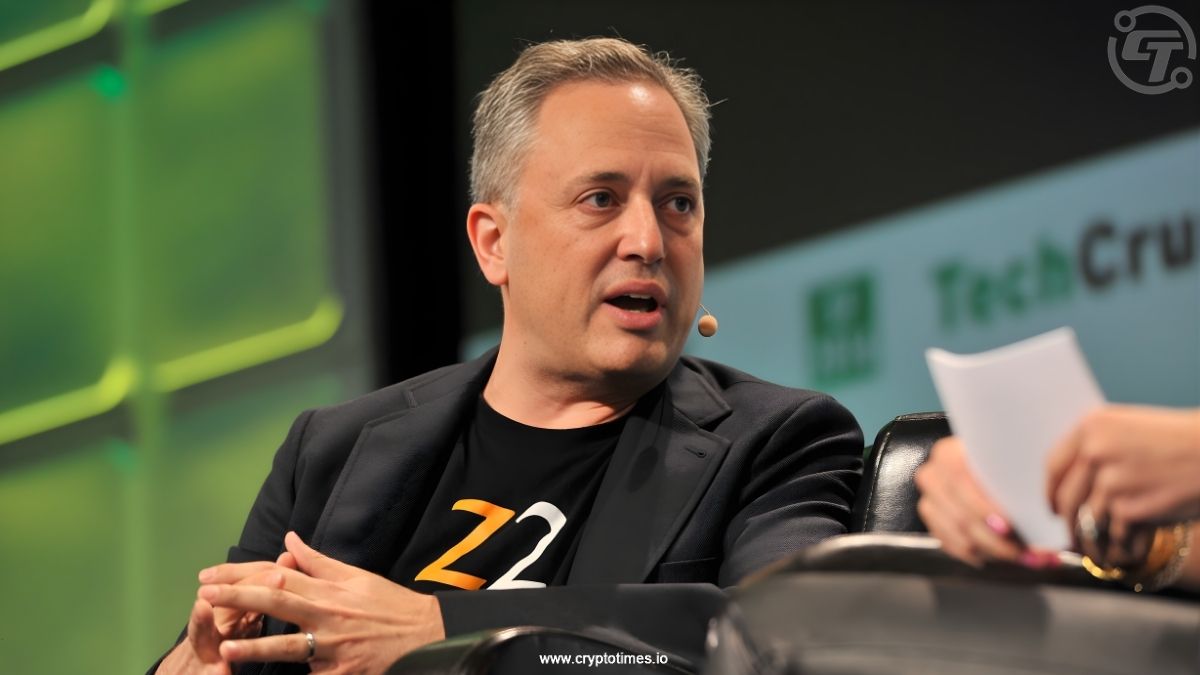
David Sacks, the White House AI and crypto czar, has publicly rejected allegations of conflicts of interest raised in a recent New York Times report.
The article, titled “Silicon Valley’s Man in the White House Is Benefiting Himself and His Friends” and published on November 30, 2025, claimed that Sacks used his government role to benefit his tech and crypto investments.
Subsequently, Sacks responded on X, saying five NYT reporters spent months chasing claims that “lacked evidence” and that their accusations were repeatedly disproven. He said, “Through a series of ‘fact checks’ they revealed their accusations, which we debunked in detail.”
Allegations and claims against Sacks
The New York Times article alleged that Sacks’ role as a special government employee allowed him to push policies that could help his holdings, including easing chip-export restrictions, supporting the GENIUS Act, and participating in an AI-chip deal with the UAE.
The report also raised concerns about Sacks’ remaining crypto investments, claiming he held 20 crypto positions despite prior statements that he had sold over $200 million in crypto to avoid conflicts. The article suggested that some of his actions, like advancing the GENIUS Act, could benefit companies connected to his investments, including BitGo, where Craft owns 7.8 percent.
Sacks’ attorneys’ legal pushback
Sacks’ attorneys at Clare Locke sent a detailed letter to the NYT, calling the report a “hit piece” and accusing the paper of “willful misunderstanding” of Sacks’ role. The letter said Sacks submitted all required financial disclosures and received ethics guidance clearing him of conflicts in AI and cryptocurrency policy. It also noted that he had already divested relevant holdings within the required timeframes.
The attorneys also said the NYT mischaracterized facts, including claims about a nonexistent dinner with Nvidia CEO Jensen Huang and revenue from the “All-In” podcast. They wrote that Sacks complied with all steps the U.S. Office of Government Ethics required to address potential conflicts.
Sacks emphasized that the reporting kept shifting as previous allegations were disproven, stating, “Every time we would prove an accusation false, NYT pivoted to the next allegation.” He posted the legal letter publicly so readers could see the full context and understand that the reporting ignored facts.
Industry reaction
The controversy comes as Sacks continues to shape U.S. AI and crypto policy, including supporting stablecoin legislation and pushing against crypto-related banking restrictions.
Prominent crypto leaders, including Tether CEO Paolo Ardoino and Perianne Boring of Off the Chain Capital, have publicly defended Sacks on X. They called the allegations “meritless” and noted that Sacks’ work has been beneficial for U.S. crypto policy.
Also Read: Europe Shuts Down €1.3B CryptoMixer in AML Operation