Key Highlights
- South Korea plans heavy sanctions on major crypto exchanges for KYC and AML breaches, signaling stricter oversight and industry accountability.
- Up to 40% of crypto job applicants may be North Korean operatives using fake identities, raising serious security concerns for global firms.
- Japan aims to classify 100+ tokens as financial products by 2026, offering tax parity and institutional access, reshaping Asia’s crypto landscape.
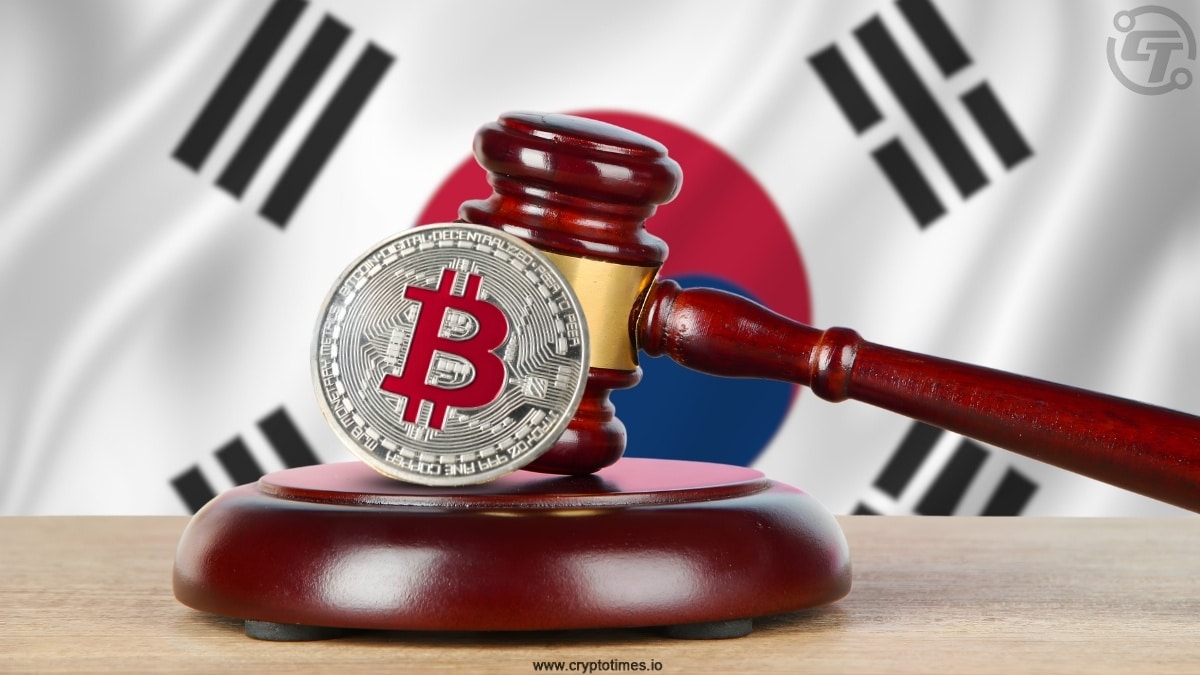
South Korea is preparing to hit major cryptocurrency exchanges with heavy sanctions. The Korea Financial Intelligence Unit (FIU) will target institutional and personnel misconduct, following on-site inspections conducted over the past year. The sanctions will follow a “first-in, first-out” sequence, meaning exchanges inspected earlier face penalties sooner.
As per a report by local media, Dunamu, operator of Upbit, was first and already received fines totaling 35.2 billion won, alongside CEO disciplinary warnings and a three-month operational suspension. FIU inspections have focused on Know Your Customer (KYC) violations and failures to report suspicious transactions. The remaining exchanges—Korbit, GOPAX, Bithumb, and Coinone—are expected to face similar penalties.
According to industry insiders, the scope of violations is largely identical, suggesting fines will match Dunamu’s precedent. On-site inspections occurred in August for Dunamu, October for Korbit, December for GOPAX, March for Bithumb, and April for Coinone. However, Bithumb may see delays due to an additional inspection related to its order book. Most sanctions are anticipated to conclude by the first half of next year.
Institutional and Personnel Sanctions on the Horizon
The FIU’s process will first determine individual and institutional sanctions, followed by fines. “I understand that the FIU conducted inspections in largely the same areas related to the Special Financial Transactions Act,” said one industry insider.
This shows that regulators are applying the rules fairly across all exchanges. Fines could reach hundreds of billions of won, so exchanges expect major financial and operational challenges.
The crackdown is in line with broader security concerns in the crypto industry. Pablo Sabbatella, the founder of web3 audit firm Opsek, recently said at Devconnect in Buenos Aires that as many as one in five of all crypto companies may use North Korean workers.
Sabbatella explained that 30% to 40% of job applicants to crypto firms could be North Korean operatives using fake identities. Freelance platforms like Upwork and Freelancer have become key recruitment avenues, with arrangements splitting earnings 80-20 in favor of the North Korean agent.
“They work well, they work a lot, and they never complain,” Sabbatella said, noting that these arrangements allow malicious actors to access sensitive systems.
Japan Prepares Regulatory Overhaul for Crypto
Meanwhile, Japan is quietly advancing the most pro-crypto policy shift among G7 nations. The Financial Services Agency (FSA) is drafting rules to classify Bitcoin, Ethereum, and roughly 100 other tokens as “financial products,” akin to stocks and investment funds.
If approved in 2026, this move would introduce a flat 20% capital gains tax, insider trading rules, and institutional pathways for banks, insurers, and public companies. For years, Japan treated crypto in a legal gray area, taxing profits up to 55%. The new rules would make holding crypto safer, easier, and more attractive for long-term investors and companies.
The FSA’s plan further involves whitelisting about 105 tokens meeting regulatory standards, creating a market bifurcation. Tokens within the regulatory perimeter receive access to bank-grade custody, tax parity, and institutional rails, while unapproved tokens face restricted exchange access. This is an attempt to prevent failures from repetition, as in the case of Mt. Gox, Coincheck, FTX, and Terra, and to guarantee institutional credibility.
South Korea’s upcoming sanctions could change how crypto exchanges operate, making compliance more important and reducing rule-breaking. At the same time, Japan’s new rules could make it easier for institutions to work with crypto.
Also Read: Satoshi Nakamoto Loses $42 Billion as Bitcoin Drops Over 30% From Its Peak