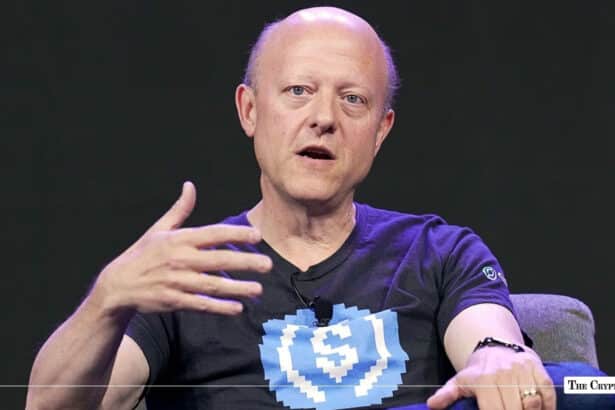
Arthur Hayes, co-founder of BitMEX, has sold a large portion of his crypto portfolio just weeks before his expected appearance at WebX Asia in Tokyo.
On-chain data shows he sold 2,373 ETH worth about $8.32 million within a six-hour period. He also offloaded 7.76 million ENA tokens worth $4.62 million, along with 38.86 billion PEPE tokens valued at around $414,700.

The sales were made through platforms such as Uniswap, Flowdesk, and Binance. Counterparties included B2C2 Group and Cumberland DRW. Blockchain trackers also noted Hayes received several USDC inflows across different wallets before transferring assets to centralised exchanges. Most of the trades were executed through wrapped ETH liquidity pools.
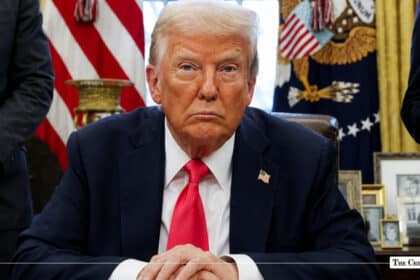
Despite reducing his exposure, Hayes still holds a strong view on the market. In his X post, he warned that global credit conditions are weakening, pointing to the upcoming expiration of the U.S. tariff bill in Q3. He wrote: “Y? US Tariff bill coming due in 3Q … at least the mrkt believes that after NFP print. No major econ is creating enough credit fast enough to boost nominal gdp. So $BTC tests $100k, $ETH tests $3k.”
Market Dynamics Hints for Correction
Hayes believes that as no major economy is expanding credit fast enough to lift growth, investors may again turn to Bitcoin and Ethereum as safe havens. However, in his view, Ethereum and Bitcoin may face pressure in the short term, before continuing the uptrend..
He told followers to expect more insights during his keynote speech on August 25 in Tokyo, ending his post with “Back to the beach,” which some took as a sign of quiet confidence.
However, market watchers are divided on Haye’s views. Some see the sell-off as a sign that Hayes expects lower prices ahead and wants to re-buy at better levels. Others view it as a routine rebalancing move, especially given his history of making bold trades around macro events.
Either way, his actions have sparked debate. Hayes remains one of the most closely followed voices in the crypto space, and his latest comments add to the growing discussion around global fiscal policy and digital assets.
Also Read: Texas Regulators Drop Claims Against Apertum Foundation and Josip Heit