The process of Know Your Customer (KYC) is gaining traction in many areas, especially the financial space. These procedures have also become increasingly prevalent in the cryptocurrency space, requiring users to verify their identity through document submission, photo verification, and personal information disclosure.
Although this process aims to curb financial fraud and ensure regulatory compliance, many cryptocurrency investors have a different opinion. They are seeking alternatives that can help preserve their financial privacy and personal data security.
For this reason, KYC-free crypto swapping is getting popular. It refers to the practice of exchanging digital assets without undergoing KYC identity verification. Users who prioritize privacy, live in restrictive jurisdictions, or simply prefer to maintain anonymity in their financial transactions find it more appealing. Understanding the KYC-free swapping method is for anyone exploring privacy-focused cryptocurrency trading.
The landscape of non-KYC crypto exchanges has changed for good. It now offers various options, from decentralized protocols to instant swap services. Users must carefully evaluate each method as it presents unique advantages, limitations, and risk profiles. This detailed guide examines the current state of KYC-free crypto swapping, exploring available platforms, best practices, and important considerations for maintaining privacy while trading digital assets.
All about KYC:
The Know Your Customer process requires financial service providers, including cryptocurrency exchanges, to verify the identity of their customers. This information involves personal details such as full names, addresses, dates of birth, and government-issued identification documents. The latest KYC processes may also include facial recognition verification, proof of address, and source of funds documentation.
Many traditional crypto exchanges do KYC checks to follow the rules against money laundering (AML) and the legislation that governs their business. International regulatory organizations, such as the Financial Action Task Force (FATF), have set rules that require exchanges to keep extensive records of all customer transactions and tell the authorities about any activity that seems suspect. The goal of this set of rules is to stop people from funding terrorism, avoiding taxes, and doing other illicit financial things.
KYC standards make cryptocurrency marketplaces more legitimate, lower the chance of fraud, and make customers safer. Verified accounts often enjoy higher transaction limits, advanced trading tools, and superior customer care. KYC compliance also helps exchanges avoid fines from regulators and keep their licenses to do business.
However, privacy-conscious users often find KYC requirements appealing. These procedures establish enduring digital records of personal information, making them vulnerable to data breaches, government surveillance, or unauthorized access. Users in many nations, especially authoritarian regimes, may face legal action for cryptocurrency activities, making identity verification particularly risky. Furthermore, centralized storage of personal data contradicts the foundation of crypto’s usage, which is decentralized, pseudonymous philosophy.
Different jurisdictions are adopting varying approaches to cryptocurrency oversight. Some countries and organizations have implemented strict KYC requirements for all digital asset transactions, while others maintain more permissive frameworks allowing limited anonymous trading. Understanding these regulatory differences is essential for users seeking KYC-free swapping options.
KYC-Free Crypto Swap Methods
There are many technical approaches that enable cryptocurrency swapping without identity verification. These methods serve as alternatives to traditional centralized exchanges, offering different levels of privacy and functionality.
- Decentralized exchanges (DEXs) are the most popular way to trade without KYC, using smart contracts on blockchain networks instead of centralized intermediaries. Users connect their wallets directly to DEX protocols, which means they have control of their money as they trade. Uniswap, SushiSwap, and PancakeSwap are some of the most popular DEX protocols that let users swap tokens without having to register or prove their identity.
- Peer-to-peer (P2P) trading lets people buy and sell things directly without the need for a middleman. These sites let buyers and sellers find one another by using escrow services or reputation systems. This approach makes it possible for people to make deals at prices they both agree on. P2P trading frequently accepts various payment methods, such as cash, bank transfers, and gift cards. This feature makes it easy for people who don’t have access to traditional banking to use it.
- Instant crypto swap services provide more convenient exchange options by utilizing platforms that do not hold your funds. These services combine liquidity from many places, including DEXs and market makers, to give users good exchange rates without needing to sign up. The procedure usually creates temporary addresses for each transaction, which lets users trade crypto without anyone knowing.
- Cross-chain bridges and atomic swaps allow separate blockchain networks to trade assets directly with each other without the need for centralized intermediaries. Atomic swaps use hash time-locked contracts (HTLCs) to make sure that deals happen without having to trust anybody else. They do this by automatically carrying out trades when certain conditions are met. These solutions get rid of counterparty risk while keeping the transaction process completely private.
Each of the above methods uses different technical mechanisms but shares common principles of preserving user privacy and eliminating KYC requirements. The choice between these options depends on specific user needs, including supported cryptocurrencies, transaction volumes, and desired privacy levels.
Types of Platforms for Non-KYC Swapping
1. Decentralized Exchanges (DEXs)
Decentralized exchanges are peer-to-peer marketplaces that use blockchain smart contracts to run everything. In short, there is no central control, and hence, there is no need for KYC.
Uniswap and SushiSwap on Ethereum, PancakeSwap on Binance Smart Chain, and Trader Joe on Avalanche are some of the most popular DEX platforms. Algorithmic pricing makes markets based on token ratios in liquidity pools
Web3 wallets like MetaMask let users connect directly to smart contracts without having to make accounts or give personal information. Transaction history stays pseudonymous, with wallet addresses as the only link to real people. Users need to know how to manage their wallets, pay gas fees, and communicate with the blockchain to use DEX.
2. Instant Exchange Services
These are services that provide non-custodial cryptocurrency exchanges. By this, the users do not have to share any information by creating any account.
Godex.io, StealthEX, and Exolix are some examples of these kinds of services, and they all have different asset choices and cost systems. Coinpedia says that these platforms are some of the best for people who care about anonymity. They provide real-time pricing and a large range of tokens, which makes them ideal for trading altcoins and trying out other chains.
Recent reports from the industry say that services like the StealthEX crypto exchange are becoming formidable competitors in the no-KYC area. They let users access over 2,000 digital assets without having to register or verify their identity for regular transactions. StealthEX’s UI makes it easy to navigate and quickly swap between various blockchains. It also directs cash from one wallet to another to improve security and ease of use.
3. Peer-to-Peer Platforms
Traders can buy and sell cryptocurrencies directly with each other on P2P networks without needing a middleman. These firms usually use some secure systems to keep both sides safe during exchanges.
They retain the cryptocurrency until payment is confirmed. Bybit, Paxful, and Bisq are some of the most popular P2P platforms. Each one has its ways to pay and covers a distinct area.
Bisq is a unique P2P exchange since it is completely decentralized. Crypto investors don’t have to register to use it, and it runs on a distributed network instead of centralized servers. Users download desktop software to connect to the trading network, which gives them full control over their money and personal information while they are trading.
4. Cross-Chain Solutions
Cross-chain bridges let investors move assets across multiple blockchain networks without giving up their privacy.
Thorchain and RenBridge are two platforms that let you transfer native assets across Bitcoin, Ethereum, and other networks without having to verify your identity. These solutions usually cost more, but they let you use more Bitcoin networks.
Atomic swap protocols let people trade coins on separate blockchains directly with each other using hash time-locked contracts. Atomic swaps are hard to understand, yet they get rid of counterparty risk and keep the anonymity of supported crypto pairings at its highest level.
Privacy Considerations and Best Practices
Understanding the difference between privacy and anonymity is crucial for users seeking KYC-free crypto swapping. Privacy refers to controlling access to personal information and transaction data. On the other hand, anonymity involves completely concealing identity connections.
It will be correct to call cryptocurrency transactions pseudonymous rather than anonymous. The reason is that blockchain records are publicly visible and can potentially be traced through sophisticated analysis.
- Effective privacy protection requires implementing multiple security layers beyond simply avoiding KYC verification. Users should utilize virtual private networks (VPNs) to mask IP addresses and geographic locations when accessing exchange platforms. Selecting VPN services that accept crypto payments and maintain no-log policies enhances privacy protection. The Tor browser provides additional anonymity through encrypted routing across multiple servers.
- Crypto wallet management plays a critical role in maintaining transaction privacy. Dedicated wallets for non-KYC trading distinguish these activities from other cryptocurrency holdings that could potentially be associated with verified exchanges or services. Privacy-focused wallets like Wasabi Wallet for Bitcoin or Monero GUI for Monero offer enhanced anonymization features, including coin mixing and stealth addresses.
- Transaction timing and amounts should be varied to avoid creating recognizable patterns that may be used for identification. Breaking large transactions into smaller amounts and spacing them across different times makes tracking more difficult. Additionally, using different wallet addresses for each transaction prevents linking multiple swaps to the same user.
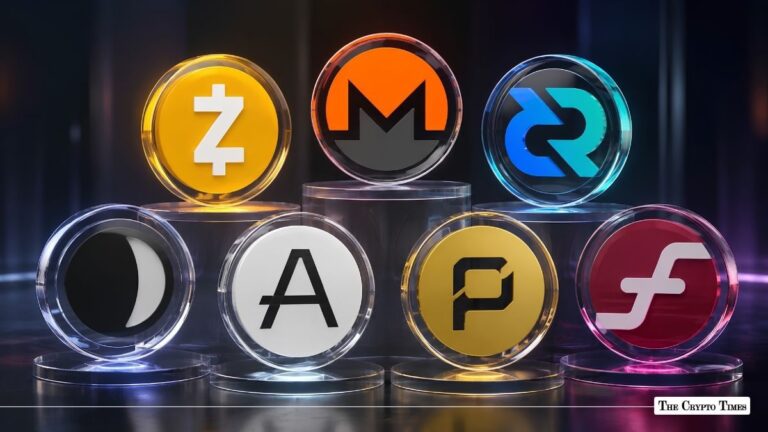
- Understanding blockchain transparency is essential for privacy-conscious users. Public blockchains like Bitcoin and Ethereum permanently record all transaction data, making future analysis possible even if initial privacy is maintained. Privacy coins like Monero, Zcash, and Dash employ specialized cryptographic techniques to obscure transaction details, providing enhanced anonymity for users willing to accept potentially limited exchange support.
- Email addresses used for any exchange communications should be separate from personal or business accounts. Utilizing temporary or privacy-focused email services like ProtonMail or creating dedicated addresses for cryptocurrency activities helps maintain separation between trading and personal identity.
- Regular security audits of privacy practices help identify potential vulnerabilities. This includes reviewing wallet connections, browser history, and digital footprints that may inadvertently link KYC-free trading activities to personal identity. Staying informed about blockchain analysis techniques and emerging privacy threats enables proactive security adjustments.
Risks and Limitations
KYC-free cryptocurrency swapping presents several significant risks that users must carefully consider before proceeding.
- Regulatory compliance represents perhaps the most serious concern, as laws governing crypto trading vary dramatically across different jurisdictions. Some countries have explicitly banned anonymous cryptocurrency transactions, making KYC-free swapping potentially illegal for residents. The regulatory landscape continues evolving rapidly, with many jurisdictions strengthening requirements for crypto service providers. Users might unintentionally breach new regulations that weren’t in place when they started trading. Additionally, tax obligations typically apply regardless of KYC status, and users remain responsible for reporting cryptocurrency gains in accordance with local laws.
- Liquidity limitations affect many non-KYC platforms, particularly for less popular coins or large transaction volumes. Decentralized exchanges may experience significant price slippage during volatile market conditions, while instant swap services might impose maximum transaction limits to minimize risk. Users requiring immediate access to large amounts of specific cryptocurrencies may find limited options through KYC-free channels.
- Security risks vary significantly across different platforms and methods. While decentralized exchanges eliminate custodial risk, users bear full responsibility for wallet security and transaction accuracy. Smart contract bugs or exploits could result in permanent fund loss without recourse for recovery. Similarly, P2P trading involves counterparty risk, as malicious traders may attempt fraud despite escrow protections.
- Price disadvantages frequently affect KYC-free trading due to reduced competition and liquidity. Spreads between buying and selling prices are typically wider than major centralized exchanges, while fees may be higher to compensate for increased operational risks. Users may pay premium rates for privacy, particularly for less common cryptocurrency pairs.
- Technical complexity presents barriers for many users, particularly those unfamiliar with wallet management and blockchain interactions. Mistakes in address entry or gas fee calculation can result in permanent fund loss, while reversing transactions is generally impossible on blockchain networks.
Step-by-Step Guide to KYC-Free Swapping
To illustrate the practical process of KYC-free cryptocurrency swapping, let’s take StealthEX.io as a representative example of non-custodial instant exchange services. This step-by-step guide demonstrates typical procedures while emphasizing security best practices applicable to similar platforms.
Before initiating any swap, ensure your receiving wallet supports the target crypto and that you control the private keys. Verify that your VPN connection is active and that you’re using a privacy-focused browser with tracking protection enabled. Calculate required amounts, including fees, to avoid insufficient fund situations.
Step 1: Platform Access
Navigate to the StealthEX.io website through a secure connection. The platform doesn’t require registration. Clear browser cache and cookies from previous sessions to maintain privacy separation.
Step 2: Swap Configuration
Select the crypto asset you wish to exchange and the desired receiving crypto from the dropdown menus. Enter the amount you want to swap, noting that the platform will display the estimated receiving amount after fees. Review exchange rates carefully, as they fluctuate based on market conditions and liquidity.
Step 3: Address Entry
Kindly provide the wallet address where you wish to receive the swapped cryptocurrency. Double-check this address for accuracy, as blockchain transactions are typically irreversible. Some platforms offer address validation to help prevent errors, but users bear ultimate responsibility for correct entry.
Step 4: Transaction Review
Please review all transaction details before proceeding. Note any transaction limits or special requirements that may apply. Take screenshots for your records while ensuring this information is stored securely.
Step 5: Payment
Please ensure that you send the exact amount of cryptocurrency to the generated deposit address within the specified time window. Include adequate network fees to ensure timely confirmation, particularly during periods of network congestion. Monitor the transaction status using provided tracking tools.
Step 6: Completion
Once your deposit receives sufficient blockchain confirmations, the platform will process the exchange and send the swapped crypto to your specified address. Processing times vary based on network conditions and cryptocurrency types, typically ranging from minutes to an hour.
Step 7: Security Verification
After step 6, users should verify that they received the correct amount in their wallet. Users should document the transaction for potential tax reporting requirements while maintaining appropriate privacy protection.
This procedure shows how instant swap services simplify trading without KYC while requiring users to handle security-related issues on their own. Similar procedures apply to other platforms with minor variations in interface design and specific requirements.
The Future of Privacy in Crypto Trading
The cryptocurrency industry is facing a conflict between privacy demands and regulatory compliance requirements, having serious effects on the future of trading without KYC. Regulatory trends around the world show that governments are paying more attention to crypto supervision. Many places are making it harder for service providers and users to meet standards.
BeInCrypto says that no-KYC systems don’t guarantee perfect anonymity because it depends on how they are built and designed. Decentralized services usually don’t require accounts or identity verification, even for big deals, and they never hold users’ money.
On the other hand, centralized platforms may still log IP addresses or save transaction histories, and they commonly set withdrawal restrictions without KYC verification. Regulatory bodies are still putting in place broad rules that could limit the alternatives for trading without revealing your identity, especially as central bank digital currencies (CBDCs) gain adoption and governments seek greater oversight of cryptocurrency transactions.
Technological developments offer both opportunities and challenges for privacy-focused trading. Zero-knowledge proof methods and better layer-2 solutions might offer better privacy protection while still following the rules. Cross-chain interoperability continues improving, potentially expanding KYC-free trading options across different blockchain ecosystems.
However, blockchain analysis techniques are becoming increasingly sophisticated, making transaction tracing more effective even for privacy-focused crypto assets. Machine learning applications and correlation analysis may reduce the effectiveness of current anonymization techniques, requiring continued innovation in privacy technology.
The balance between privacy and compliance will likely define the future landscape, with solutions that satisfy both user privacy needs and regulatory requirements representing the most sustainable path forward. Privacy-preserving identity verification systems and selective disclosure mechanisms may enable compliance without sacrificing user anonymity.
Decentralized finance (DeFi) protocols continue evolving to provide more sophisticated trading options while maintaining constitutional principles of decentralization and privacy. These developments may offer increased functionality for KYC-free trading while addressing scalability and user experience limitations.
Conclusion
KYC-free cryptocurrency swapping presents both advantages and disadvantages. It provides feasible options for users prioritizing privacy and financial autonomy in their digital asset transactions. Through decentralized exchanges, instant swap services like StealthEX, peer-to-peer platforms, and cross-chain solutions, users can access diverse trading opportunities without identity verification requirements.
However, these opportunities come with significant responsibilities and risks that users must carefully evaluate, despite their disadvantages. Understanding regulatory implications, implementing robust security practices, and accepting limitations in liquidity and pricing are essential for successful KYC-free trading. The technical complexity and potential legal ramifications require thorough research and careful consideration of individual circumstances.
Therefore, it is accurate to describe KYC-free cryptocurrency swapping as a double-edged sword. In the future, the privacy of users in the crypto space can only survive if it finds a balance between privacy and regulations.