Key Highlights
- Switzerland’s Bitcoin reserve campaign failed after supporters missed the signature target for a national referendum.
- Swiss officials remain cautious on Bitcoin reserves even as local financial firms expand blockchain and crypto services.
- The failed proposal highlights wider European divisions over whether central banks should hold Bitcoin reserves.
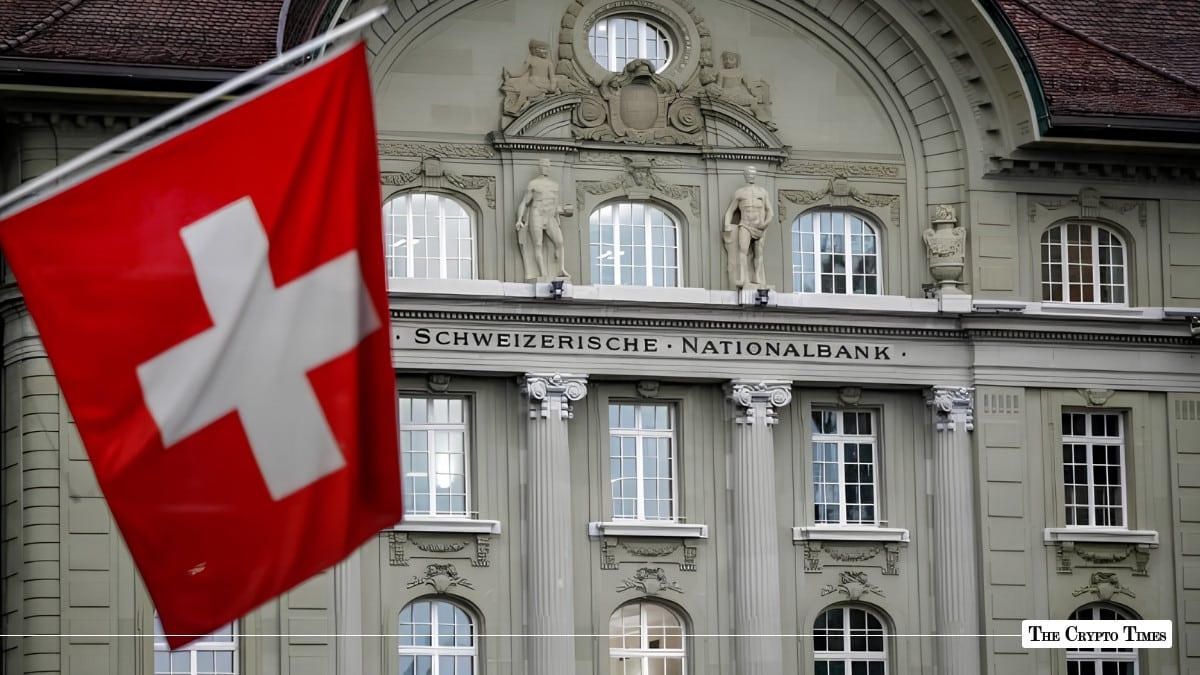
Switzerland’s effort to push Bitcoin into the Swiss National Bank’s reserves has lost momentum after campaigners failed to collect enough signatures for a national referendum. The proposal sought to require the central bank to hold Bitcoin alongside gold and foreign currency reserves. However, supporters could not secure the required backing within the 18-month deadline, ending the initiative for now.
As per a Reuters report, the failed campaign reflects broader divisions across Europe over whether central banks should include cryptocurrencies in reserve holdings. Supporters argued that Bitcoin could help Switzerland reduce reliance on the U.S. dollar and euro while strengthening its financial independence. However, the Swiss National Bank has continued taking a cautious approach toward digital assets and declined to comment on the campaign’s collapse.
Central banks remain divided on Bitcoin
The failed initiative comes as European policymakers continue debating whether cryptocurrencies belong in central bank reserve strategies. While some financial institutions keep exploring blockchain technology and digital assets, others remain cautious about Bitcoin’s price swings and liquidity risks.
European Central Bank officials recently argued that reserve assets must remain “liquid, secure and safe.” Bitcoin’s recent market weakness has also added to those concerns. The cryptocurrency has fallen about 7.5% this year after declining another 6.4% in 2025.
However, campaign founder Yves Bennaim pushed back against claims that Bitcoin lacks liquidity. He pointed to billions of dollars in daily trading volume across global crypto markets. “Bitcoin is an alternative to the dollar or the euro, and is internationally neutral, like Switzerland,” Bennaim said.
Supporters also viewed the campaign as an effort to encourage Swiss authorities to examine technologies reshaping global finance. Although the proposal failed to reach a referendum, backers said they may pursue similar initiatives again under Switzerland’s direct democracy system.
Switzerland expands crypto infrastructure despite SNB caution
Even as the Swiss National Bank keeps its distance from Bitcoin reserves, parts of Switzerland’s financial industry continue expanding into blockchain-based services. Swiss crypto bank AMINA Bank recently became the first FINMA-regulated lender to support custody and trading for Canton Coin.
The move gives institutional clients regulated access to the Canton Network, which focuses on tokenized assets, collateral management, and financial settlement systems. Major financial firms, including Goldman Sachs, Visa, Citadel, and Depository Trust & Clearing Corporation, also back the network.
At the same time, Swiss banker Marc Syz continues expanding Future Holdings AG after leaving Banque Syz SA. According to Bloomberg, Syz plans to build what he describes as Europe’s largest Bitcoin treasury company through a future dual-listing strategy.
The debate around Bitcoin reserves may have slowed after the failed referendum campaign. However, Switzerland’s financial sector continues testing blockchain infrastructure and digital asset services as global finance gradually shifts toward tokenized systems.
Also Read: ECB Chief Lagarde Warns Stablecoins Could Disrupt EU Banking System