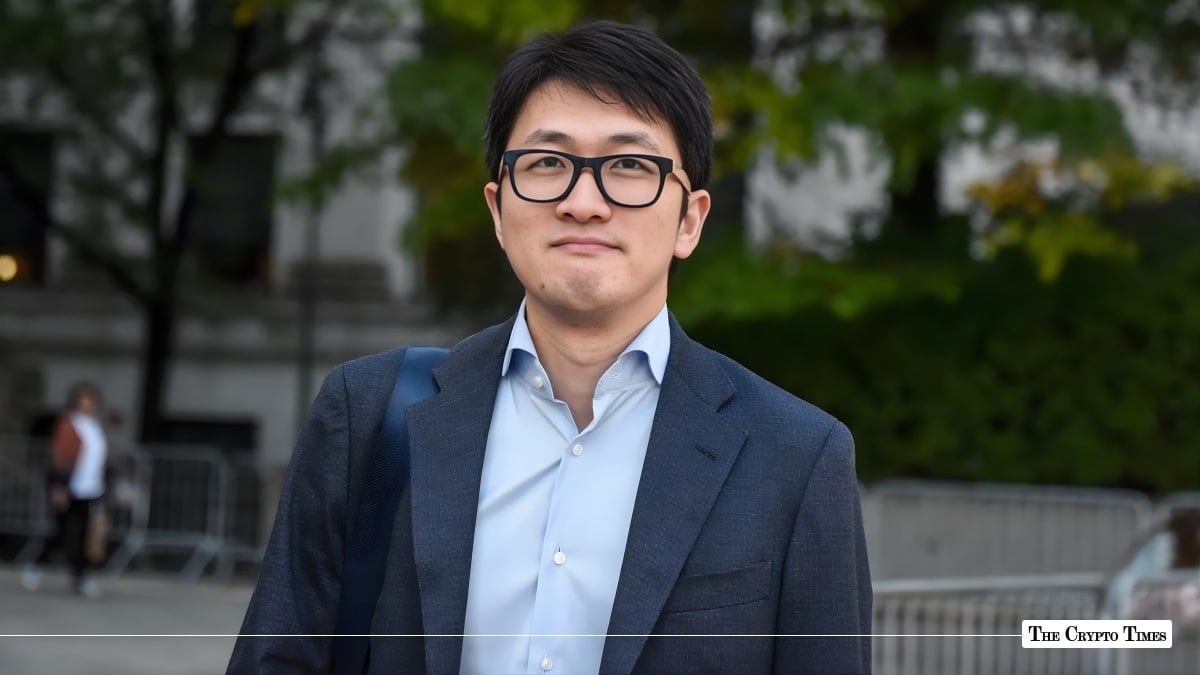
Backpack, the crypto exchange tied to former FTX general counsel Can Sun, met with the U.S. Securities and Exchange Commission’s Crypto Task Force on April 21 as it explored a path into the U.S. market. The agency’s meeting memo shows the discussion covered Backpack’s exchange model, planned U.S. expansion, token-listing issues, and whether parts of its products or services could fall under SEC jurisdiction.
According to the attached agenda, the meeting included Can Sun, listed as Backpack co-founder, Mark Wetjen, Backpack’s President of the Americas, and Keaghan Ames of BGR Group. The document says Backpack also discussed its engagement with the Commodity Futures Trading Commission regarding potential registration as a Designated Contract Market and-or Derivatives Clearing Organization, signaling that the firm is weighing both securities and derivatives pathways as part of a broader U.S. regulatory strategy.
SEC filing shows Backpack’s U.S. expansion path
The SEC’s public meeting log lists Trek Labs, Inc. and Barbour, Griffith & Rogers among the Crypto Task Force’s April 21 meetings. The agency says the task force is meant to provide clarity on how federal securities laws apply to crypto, draw lines between securities and non-securities, and create more practical registration routes for crypto market participants. Commissioner Hester Peirce leads the effort.
The Backpack agenda suggests the company used the meeting to frame itself as a compliance-minded operator rather than simply a foreign exchange seeking U.S. access. The discussion topics included custody, risk management, prior regulatory engagement in other jurisdictions, and a stated commitment to operate within U.S. regulatory frameworks. Trek Labs, Inc., which operates Backpack in the U.S., says it is registered with FinCEN as a money services business and holds or is pursuing state-level licenses in multiple jurisdictions.
Links to FTX
Sun’s presence gives the meeting added attention because he previously served as FTX’s general counsel and later testified that Sam Bankman-Fried asked him to find legal justifications for missing customer funds just before FTX collapsed. That background makes Backpack’s emphasis on regulatory structure, custody, and oversight particularly notable as it seeks credibility with U.S. regulators.
At the same time, Backpack’s corporate background is slightly more nuanced than simply calling it “FTX-founded.” Backpack’s own history page says the company was founded in 2022 by Solana developer Armani Ferrante, while the SEC meeting agenda lists Sun as Backpack co-founder. The company has also expanded its regulated footprint in recent years, including the acquisition of FTX Europe in January 2025 to access Cyprus-based permissions for EU derivatives operations.
Why this matters
Backpack is not just lobbying for lighter treatment of crypto exchanges. It is actively testing how its business could fit into existing U.S. structures across both the SEC and CFTC. That includes questions around token listings, trading activity, and whether some offerings may trigger securities oversight.
Still, the memo does not show any regulatory breakthrough. It records a meeting and agenda, not an approval, no-action position, or registration decision. For now, the clearest takeaway is that Backpack is formally in the room with U.S. regulators as it pushes to enter one of crypto’s most tightly scrutinized markets.
Also Read: SEC Chair Atkins Turns to ACT Strategy, Signals Shift in Crypto Policy