Key Highlights
- Rep. French Hill said tokenization could fundamentally reshape U.S. capital markets infrastructure.
- Technology may improve efficiency and transparency, but it raises regulatory and legal questions.
- Lawmakers are assessing how existing securities laws apply to tokenized financial assets.
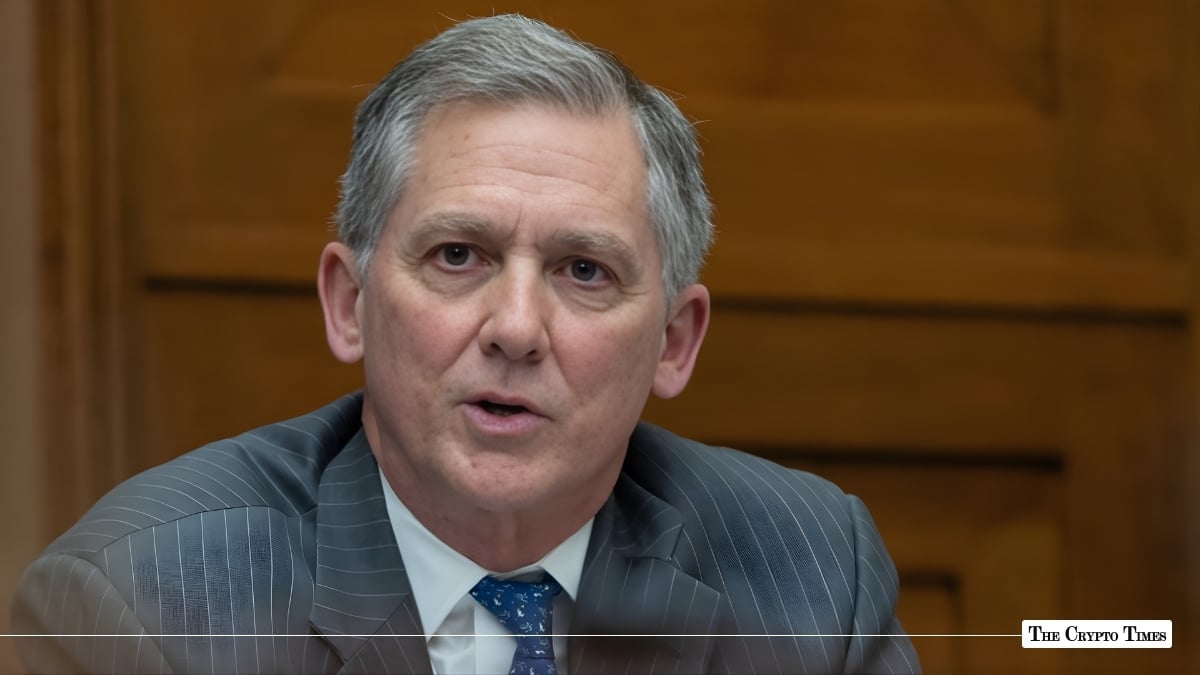
U.S. lawmakers are beginning to frame tokenization as more than a technical upgrade, with Chairman French Hill warning it could fundamentally change how capital markets operate.
Speaking at a Financial Services Committee discussion on Wednesday, Hill said the United States is approaching a “significant transformation” as blockchain-based systems begin to alter how financial assets are issued, traded, and recorded.
He added, “Currently, early adoption efforts in the tokenization of assets are changing the ways that securities are issued, traded, and recorded.”
From back-office change to market infrastructure shift
Hill described tokenization as a structural shift rather than a niche innovation. By representing financial instruments on distributed ledgers, the technology could streamline existing processes while introducing entirely new ways to manage ownership and transactions. He said the changes extend beyond digitization, potentially reshaping how markets function at a foundational level.
According to Hill, tokenization could improve efficiency, transparency, and accessibility across capital markets. At the same time, he emphasized that wider adoption raises unresolved legal and regulatory questions. He noted that existing securities laws must be evaluated to determine whether they can effectively govern tokenized assets without slowing innovation.
Lawmakers examine gaps in current frameworks
The committee discussion focused on identifying gaps in oversight that could emerge as tokenization expands. Hill said policymakers need to balance support for technological development with maintaining investor protections and orderly markets.
He added that examining these trade-offs will be key to understanding both the opportunities and risks tied to tokenized financial systems.
Impact on market structure and global position
Hill also linked tokenization to broader questions about U.S. competitiveness in financial markets. He said adapting regulatory frameworks could help the country maintain its leadership in capital formation and financial innovation.
At the same time, he stressed that any changes should reinforce core principles such as market integrity and investor protection.
What’s next
The discussion signals that tokenization is moving into a more formal policy phase in Washington, where lawmakers are beginning to assess how it fits within existing financial systems.
While no immediate regulatory changes were outlined, Hill’s remarks suggest that future legislation could focus on integrating tokenized assets into the current market structure without disrupting its core safeguards.
Also Read: SEC’s Atkins Says Crypto Clarity Push Marks ‘End of the Beginning’