Key Highlights
- NYSE Arca and NYSE American have scrapped the 25,000-contract limit for 11 major Bitcoin and Ether ETFs, including BlackRock’s IBIT and Fidelity’s FBTC.
- Investors can now utilize FLEX options, allowing for customized strike prices and expiration dates—a key requirement for institutional hedging.
- The SEC waived the standard 30-day operative delay, allowing the changes to take effect immediately in response to high market demand.
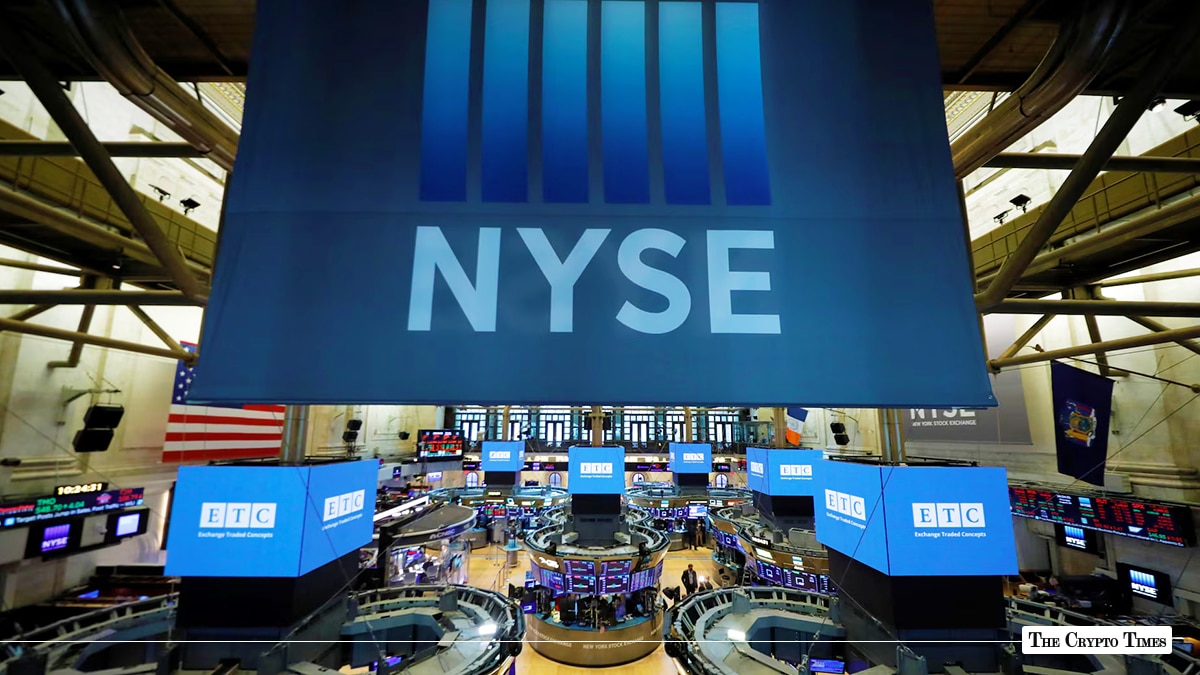
The U.S. crypto ETF market has reached a new level of maturity. NYSE Arca and NYSE American lifted the 25,000 contract limit on crypto exchange-traded fund (ETF) options. This update affects 11 Bitcoin and Ether ETFs, including BlackRock’s iShares Bitcoin Trust (IBIT) and Fidelity’s Wise Origin Bitcoin Fund (FBTC).
The SEC’s decision to skip the usual 30-day waiting period underscores a newfound confidence in the stability of these instruments. The original limits were put in place to prevent extreme price swings and potential market manipulation when crypto options first launched in November 2024. With the caps removed, institutional investors now have more flexibility, which could make it easier to trade these ETFs and improve market liquidity.
Further, the removal of limits lets crypto options be traded as FLEX options. FLEX options offer more flexibility, letting investors set custom strike prices, expiration dates, and exercise styles. This change brings crypto ETF options closer to how traditional commodity ETFs work.
As a result, institutions can buy and sell positions more easily, and markets may see more active price movement as trading picks up. The update affects ETFs from ARK 21Shares, Bitwise, and Grayscale as well, extending its impact across the crypto investment space.
Institutional trading gains flexibility
In July 2025, Grayscale won SEC approval for its Bitcoin Mini Trust ETF, which charges much lower fees—15 basis points compared with 1.5% for its original GBTC fund. The move follows a similar launch for its Ethereum Mini Trust, making crypto investing more accessible for both everyday and institutional investors.
At the same time, BlackRock’s Head of Digital Assets, Robert Mitchnick, stressed a cautious approach. Speaking on CNBC earlier this month, he said, “Some of those [crypto ETF structures] will be interesting. Some of them will resonate with investors. We will take a discerning approach in thinking about where else we would expand in this.”
Tokenized securities expand
The SEC recently gave Nasdaq the green light to trade tokenized securities, a major step toward bringing blockchain technology into U.S. stock markets. This means investors can now settle Russell 1000 stocks and ETFs tracking the S&P 500 and Nasdaq 100 in a digital, tokenized format.
Meanwhile, Nasdaq ISE is reviewing plans to raise options limits for IBIT to one million contracts, which could put crypto ETFs on a level closer to traditional equity ETFs. As a result, more institutional investors may enter the market, potentially making crypto trading more efficient in the months ahead.
Also Read: Fidelity Pushes SEC for Clear Crypto Rules for Broker-Dealers