Key Highlights
- Coinbase CEO Brian Armstrong framed Bitcoin as a counterweight to state-controlled fiat systems during an exchange at Davos.
- The Governor of the Central Bank of France maintained that only democratically accountable institutions have the legitimacy to manage a nation’s money.
- The discussion highlighted a conflict between the central banking authority and decentralized financial systems.
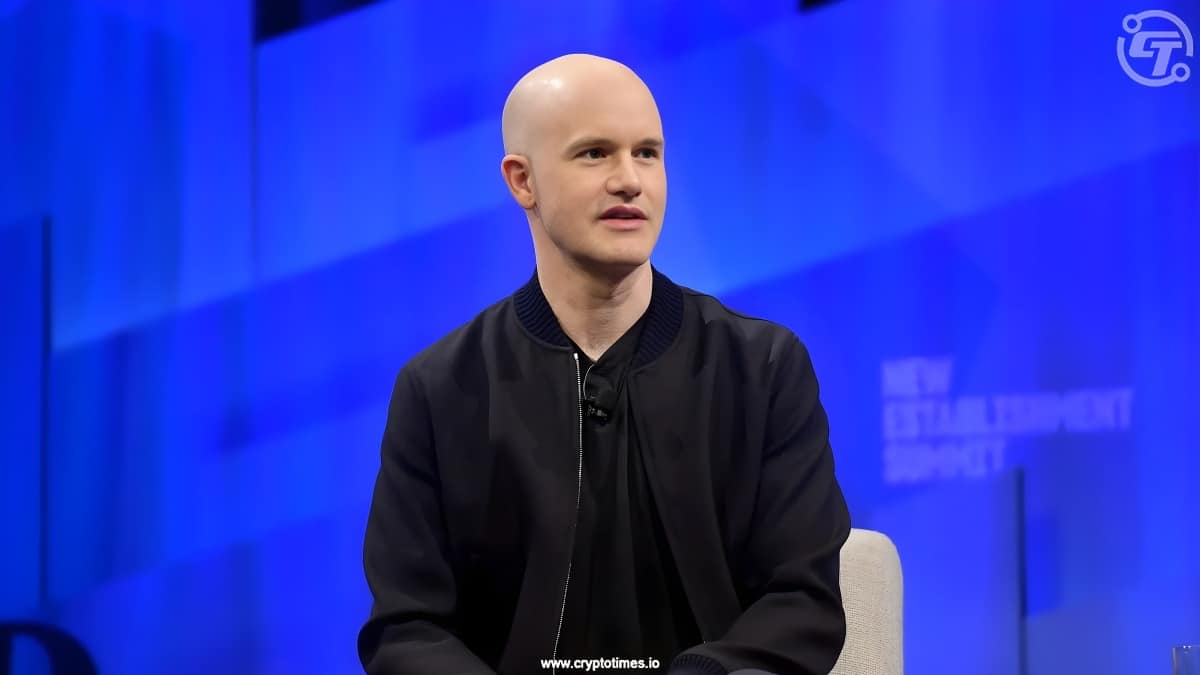
At the World Economic Forum in Davos, Coinbase CEO Brian Armstrong engaged in a public debate with François Villeroy de Galhau, the Governor of France’s Central Bank, over Bitcoin’s role in the global financial system. Brian called the asset a sovereign, neutral alternative to state-controlled money.
The exchange took place during a panel discussion on the digital economy. Armstrong argued for the need for decentralized assets, while the governor defended the role of the state. The discussion showed a growing divide between the “Bitcoin standard” vision of Silicon Valley and the European banking establishment’s dedication to monetary sovereignty.
The “Bitcoin standard” debate
The conversation quickly shifted toward the structure of global money. Armstrong suggested that the world is gradually moving toward a system where decentralized protocols could rival or even replace traditional fiat structures. He argued that the era of a “Bitcoin standard” is becoming a reality.
In response, Villeroy de Galhau stressed that monetary policy is a key aspect of national sovereignty that should remain under the control of central banks. He said money is not just a tool for exchange but a public good that needs stability and oversight from a centralized authority to operate within a democratic setting.
Bitcoin as a check and balance
Armstrong presented a view of Bitcoin that goes beyond simple speculation, describing it as an important “check and balance” on government spending. He stated that the decentralized currency provides citizens with an exit option in countries with irresponsible fiscal policies.
He added that during high inflation or a loss of trust in fiat currencies, Bitcoin serves as a modern store of value. He remarked, “It’s like digital gold, but it’s even better because it’s a global protocol that no one can change.” In Armstrong’s view, the decentralized nature of the blockchain ensures that the money supply is beyond the influence of political decisions and that the transparency and predictability of central banks are surpassed.
The central bank’s stance
Villeroy de Galhau countered by supporting his argument with the ideology of the social contract. He said that trust in money cannot be generated by an algorithm; it has to be earned through democracy. The governor argued that money functions as a public good directly connected to state sovereignty and the protection of its citizens.
He said, “Money is a public good that must be managed by an independent central bank with a democratic mandate.” From his view, the volatility of private issuers and decentralized systems threatens economic stability. He maintained that the legitimacy of a currency relies on the accountability of its managers, a quality he sees as missing in the crypto world.
An ongoing debate
This debate is part of a long-standing tension between the crypto industry and European regulators. France has been working under the MiCA (Markets in Crypto-Assets) regulation framework via AMF, aiming to bring the industry under strict oversight.
While France has attempted to position itself as a hub for blockchain innovation, its central bank has consistently expressed skepticism about “private” money.
Meanwhile, Coinbase has been expanding its influence in Europe, often using Davos as a platform to advocate for a more lenient regulatory environment. The debate highlights a shift from technical discussions about blockchain toward broader questions about the state’s role.
Also Read: Senate Crypto Bill Faces Setback as Yield Debate Continues