Key Highlights
- The crisis began with Aave Labs’ integration of CoWSwap into the official frontend, replacing ParaSwap and redirecting estimated $10M+ annual swap fees from DAO to a private wallet controlled by Labs.
- Another recent proposal to transfer brand assets (domain, IP, social handles) to DAO control was unilaterally escalated to a Snapshot vote by Aave Labs without the author’s consent.
- The dispute highlights DeFi’s ongoing “DAO vs. developers” paradox, mirrored in the recent Circle-Axelar deal where token holders gained no upside from the labs acquisition.
In the world of decentralized finance (DeFi), protocols are meant to be governed by the community of token holders rather than centralized teams. Often, this approach raises tensions between entities and conflicts of interest simmer beneath the surface. A prime example for this is the recent blunders around Aave, where Aave Labs and the AAVE token holders’ community (Aave DAO) are sharing opposite views on the future of the protocol.
What once started as questions on frontend swap fees, now escalated into a full-blown governance crisis, exposing deep rifts between the Aave DAO and Aave Labs. The matter has caught widespread attention from the crypto community as Aave is one of the largest DeFi protocols with over $33 billion in total value locked (TVL) and any developments around the platform have significant implications on the whole crypto ecosystem.
Beginning of the Aave controversy
The controversial spark ignited earlier this month when governance delegates discovered that Aave Labs had integrated CoWSwap—a decentralized exchange aggregator—into the Aave protocol frontend, replacing the previous ParaSwap integration.
Earlier, swap-related referral fees and positive slippage surplus from ParaSwap flowed directly to the Aave DAO treasury, providing a voluntary but significant revenue stream for token holders. Estimates suggest this amounted to around $200,000 per week, potentially totaling over $10 million annually across supported chains.
However, on-chain analysis revealed that post the CoWSwap integration, these fees were redirected to a private wallet controlled by Aave Labs. Delegates like those from Orbit and the Aave Chan Initiative (ACI), led by Aave Chan Initiative Founder Marc Zeller, labeled this a “stealth privatization” of DAO-funded value. Critics argued that the DAO had indirectly subsidized the brand, development, and user acquisition that made the frontend monetizable, yet Aave Labs was capturing the upside unilaterally.
The protocol, product, and community of Aave
Aave Labs defended the move by drawing a sharp line between the “protocol,” and the “product.” To note, Aave protocol refers to on-chain smart contracts governed by the DAO and the Product is their user-facing interface, which is funded and maintained independently by Aave Labs.
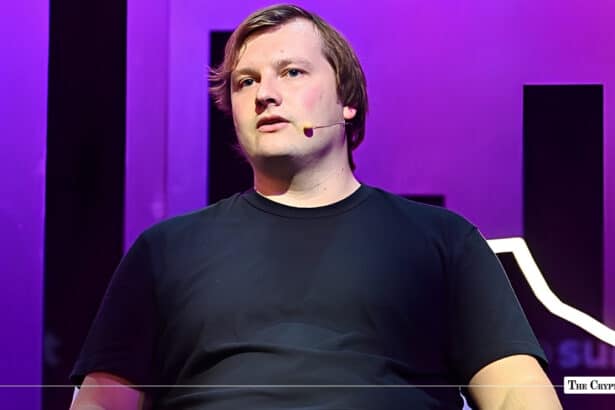
For even broader clarity, Aave Labs is the developer entity that looks after developments and maintenance of Aave protocol. Aave’s Founder Stani Kulechov is currently the CEO of Aave Labs, which is owned by the parent company Avara.
In forum responses, Aave Labs emphasized that frontend monetization had always been separate and voluntary, not an obligation to the DAO. They promised clearer distinctions in future communications and highlighted ongoing contributions, such as preparing for Aave V4 upgrades.
Yet the community saw it differently. Zeller and others pointed out a “tacit relationship” where frontend revenues were expected to benefit the DAO, especially since much of the underlying development was funded by token holders through grants to contractors like Aave Labs. The controversy deepened with claims that CoWSwap solvers were bypassing Aave’s own flash loans in favor of competitors like Balancer, further eroding potential DAO income.
Who actually owns Aave?
As discussions heated up on the Aave governance forum, the debate shifted to a broader existential question: Who truly owns Aave? On December 16, 2025, Ernesto Boado—former Aave Labs CTO and Co-Founder of BGD Labs—posted a proposal titled “[ARFC] $AAVE Token Alignment Phase 1 – Ownership.”
The proposal called for transferring key brand assets, including the ‘aave.com’ domain, social media handles, GitHub repositories, trademarks, and naming rights, to a legally structured DAO-controlled vehicle. The goal was to prevent private monetization of collectively built value and include anti-capture mechanisms to protect the community.
After just five days of discussion on the matter, what followed was procedural chaos. On December 22, Aave Labs unilaterally escalated the proposal to a Snapshot vote, starting December 23, 2025, and set to conclude on December 26. The move once again raised anger among DAO members and they slammed Aave Labs for hurrying the vote during the holiday season.
Boado publicly disavowed the move, stating it was submitted “in a rush, with my name on it, and without notifying me at all.” He argued it was not his intent and urged more time for deliberation. Prominent delegates echoed the sentiment, calling the timing “disgraceful” and accusing Labs of bypassing consensus to control the narrative.
Aave Founder’s defence
Stani Kulechov justified the escalation as compliant with governance rules, noting the community was “tired of this discussion” and ready for a decision. “The discussion has been going over the past 5 days already with various opinions and takes, a timeline set on the ARFC temp check,” he stated.
However, the backlash and market reactions were more brutal and swifter than Stani’s views. Within hours, AAVE token price plunged over 10% in a single day, from around $176 to $159, fueled by a major whale dumping 230,350 tokens worth $38 million at a significant loss. At the time, trading volume for AAVE spiked over 235%, and Polymarket odds on the proposal passing plummeted to around 25%, reflecting eroded confidence.
DAO Vs. Developers: The DeFi paradox
This episode underscores unresolved tensions in DeFi governance: DAOs excel at on-chain protocol control but struggle with off-chain assets like brands and interfaces, whereas developer teams hold practical leverage. Aave’s case highlights the risk of “value extraction,” where founding teams monetize community-built reputation without proportional benefits flowing back to token holders.
A recent parallel also amplifies these similar concerns. Just days earlier, on December 15, stablecoin issuer Circle announced its acquisition of Interop Labs, the core development team and proprietary IP behind the Axelar network. The deal explicitly excluded the Axelar Foundation, network, and AXL token, leaving them under independent community governance.
While Circle gained engineering talent to bolster its Cross-Chain Transfer Protocol (CCTP) and Arc blockchain, AXL holders received no direct upside—no buybacks, revenue share, or governance perks. The token crashed over 15% post-announcement, with community voices decrying it as a “token vs. equity” rug where vested insiders cashed out while retail holders bore the downside.
Also Read: Circle’s Axelar Deal Sparks AXL Crash and Token-Equity Backlash
In Axelar’s case, development shifted to contributor Common Prefix, but trust was damaged amid ongoing unlocks and adoption challenges. It serves as a stark reminder that in many crypto projects, token holders—who provide liquidity, governance, and decentralization—are often sidelined when teams or equity holders exit lucratively.
Coming back to Aave, as the Snapshot vote unfolds amid holidays and low expected participation, the outcome could set precedents for DAO-team dynamics across DeFi. If the proposal fails, it may embolden centralized control; if it passes, it could force realignments but risk fragmenting development. Either way, the blunder has already cost AAVE holders dearly in market value, highlighting that decentralization’s promise remains fragile when incentives misalign.
Also Read: Why Gold and Silver Won 2025, And Why Bitcoin Isn’t Done Yet