Key Highlights
- The SEC proposed final consent judgments against former executives Gary Wang, Caroline Ellison, and Nishad Singh for their roles in the FTX fraud.
- The court imposed permanent injunctions and prohibited all three individuals from serving as officers or directors of public companies.
- These rulings conclude the SEC’s litigation against these specific defendants following their cooperation with federal authorities.
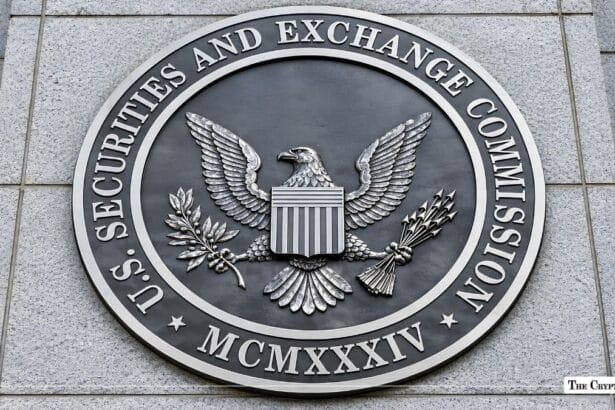
The U.S. Securities and Exchange Commission (SEC) announced on Friday that it has proposed final consent judgments in the Southern District of New York against Gary Wang, Caroline Ellison, and Nishad Singh in connection with a multi-year fraud scheme involving equity investors in the crypto asset trading platform FTX.
As per the official release, the three former top executives of FTX and Alameda Research were accused of violating federal laws by facilitating the misappropriation of customer funds worth “billions of dollars to fund Alameda’s activities and investments.” The SEC’s announcement marks the end of its litigation against the trio.
Roles of Wang, Ellison, and Singh in the scheme
As per the SEC, the defendants were actively involved in a scheme to fraudulently mislead the investors of FTX. Gary Wang, FTX’s co-founder and former Chief Technology Officer of FTX, was responsible for developing the software that would allow the diversion of FTX client funds into Alameda Research.
Caroline Ellison, the ex-CEO of Alameda Research, supervised the diversion of the funds for the purpose of trading, investment, and loans for the management of FTX. Nishad Singh, the former Director of Engineering at FTX, aided in the software and the deceit of investors regarding the platform’s risk management systems.
Permanent industry bans
As part of the final judgments, the court issued a permanent injunction restraining all three defendants from engaging in any further violation of the anti-fraud provisions of the Securities Act of 1933 and the Securities Exchange Act of 1934.
Moreover, all three defendants are prohibited from becoming officers or directors of any public company. Also, they are barred from involving themselves in any way with the issuance, purchase, offer, or sale of any crypto asset securities, with one exception: their own personal brokerage accounts.
Although the court demanded payment of disgorgement and prejudgment interest from the defendants, these have been considered paid by the forfeiture order issued against them in their parallel criminal cases.
Caroline Ellison was moved from prison on December 17 to transition into a halfway house. Although her formal release date was originally set for 2026, this move allows her to serve the remainder of her sentence in a supervised residential facility.
The history of the case dates back to the FTX bankruptcy at the end of 2022, but there have been a series of related crimes that go back many years. FTX had been valued at a huge amount of money, with the company claiming that it provided a safe, regulated way into the crypto markets.
The collapse of the FTX “House of Cards”
Nonetheless, an investigation showed that the company was nothing more than a house of cards. Sam Bankman-Fried, the CEO of FTX, led the group responsible for the financial fraud. He has already been sentenced to 25 years in prison. Unlike him, Wang, Ellison, and Singh chose to accept the early plea agreement, cooperating with the DoJ and the SEC, even if their punishments were also relatively mild.
The implications of these rulings in the future may be profound within the broader crypto space. This action highlights the SEC’s view that crypto asset trading platforms must be bound by the same investor protection and financial disclosure requirements as other securities markets.
The permanent bars imposed in these proceedings serve as a strong reminder to the officers and directors of other crypto asset companies that they could be individually liable for the improper activities of the companies that they run.
The final judgments against Wang, Ellison, and Singh mark the end of major chapters in the FTX cases. The SEC has been successful in holding the second-in-command in the FTX scam liable for their actions through the achievement of these bars and injunctions.
The matter illustrates that while cooperation with law enforcement might reduce the charges levied, the law might still impose stern bars to prevent those responsible for financial fraud from holding public office again.
Also Read: FTX’s Caroline Ellison Leaves Prison Quietly Ahead of 2026 Release