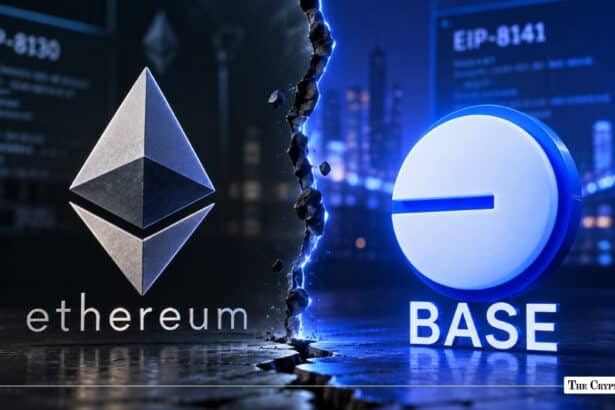
Ethereum may have found more than just technical strength. While Bitcoin and other major cryptocurrencies saw declines last week, Ethereum held its ground. Now it’s gaining traction in Washington as well.
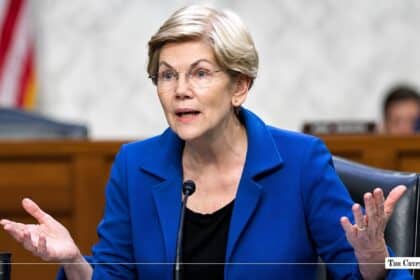
On June 4, Vivek Raman, co-founder and CEO of blockchain firm Etherealize, testified before the US Congress, backing a new bill designed to bring regulatory clarity to the crypto space. The CLARITY Act could be a game-changer for Ethereum, helping it finally get a clear legal status in the US.
Speaking to lawmakers, Vivek Raman said Ethereum isn’t a financial product; it’s more like public infrastructure. He compared it to internet protocols like HTTP or TCP/IP, which everyone uses but no one controls or regulates directly.
He explained that Ethereum runs on a global network of over a million validators, isn’t controlled by any single group, and didn’t have a private or pre-mined launch. That makes it very different from most other crypto projects. That sets it apart from many other cryptocurrencies.
Raman pointed out that Ethereum is already being used in the real world. It powers a wide range of financial apps and tokenized assets, with over 80% of all tokenized real-world assets running on its network. He cited BlackRock’s BUIDL fund as a clear example of how big institutions are starting to build on Ethereum.
Even though Ethereum is doing well, a lot of projects in the US are still waiting because the rules aren’t clear yet. The CLARITY Act wants to fix that by making it clear that networks like Ethereum are different from the apps and tokens that run on top of them. Raman said this kind of distinction is crucial, and it mirrors how the internet was handled in its early days.
Lawmakers didn’t regulate the protocols; they regulated businesses and services using them. Applying the same logic to Ethereum, he said, would avoid stifling innovation while still protecting users and markets.
Beyond legal arguments, Raman emphasized the real-world impact Ethereum is already having. In many developing countries, the network gives people access to stablecoins, lending platforms, and low-cost cross-border payments.
He said Ethereum’s decentralized design removes middlemen and helps people access financial tools that are otherwise unavailable to them.
For Ethereum, this hearing wasn’t just a policy moment; it was a pitch for legitimacy. If US lawmakers support the CLARITY Act and recognize Ethereum as decentralized infrastructure, it could clear the path for mainstream adoption and investment. It would also provide the kind of legal clarity that developers and institutions have been waiting for.
In a week where most crypto assets stumbled, Ethereum didn’t just show market strength; it showed political momentum. And that may matter even more in the long run.
Also Read: Ethereum Founder Vitalik Sends $1.83M ETH to Railgun Protocol