Key Highlights
- Senators Chuck Grassley and Cynthia Lummis agreed on changes to strengthen anti-money laundering provisions in the CLARITY Act.
- The bill also includes protection for software developers while improving law enforcement tools in the crypto space.
- The final text is expected today, with senators given until May 12 to submit amendments.
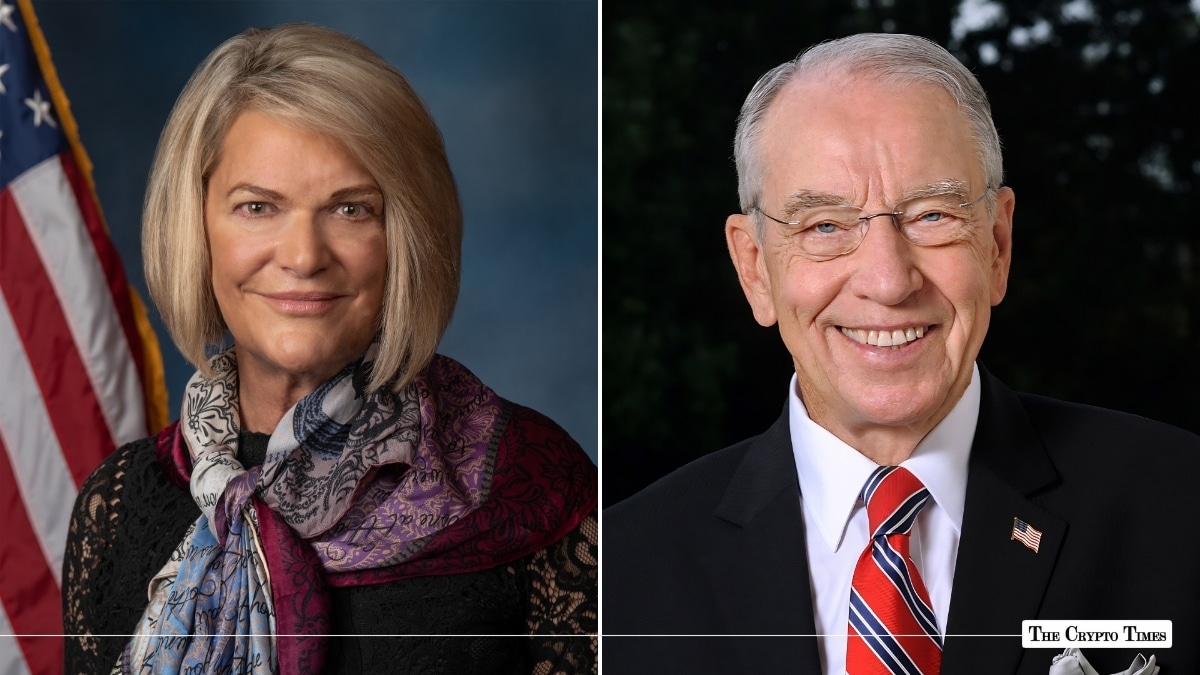
Judiciary Committee Chair Senator Chuck Grassley and Senator Cynthia Lummis have reached an agreement on revisions to the CLARITY Act, according to reports.
The changes would give prosecutors broader authority to pursue crypto-related financial crimes, including by bringing anti-money laundering (AML) charges against individuals who use digital assets for illicit activity.
Citing two people familiar with the discussions, Punchbowl reporter Brendan Pedersen said the agreement had been finalized.
Senator Cynthia Lummis confirmed the deal and thanked Senator Grassley publicly. She said, “Thank you @ChuckGrassley for ensuring BRCA/sec 1960 protections for software developers are included in the Clarity Act while giving law enforcement tools they need. Clarity Act is the most pro-law enforcement digital asset bill Congress has ever considered. Let’s get this done!”
Final bill text expected today
The agreement comes as lawmakers prepare for key Senate Banking Committee action on the bill, which is expected to set the framework for how digital assets are regulated in the United States.
The final version of the CLARITY Act is expected to be released today. Senators had until May 12 to submit any changes or amendments. The Senate Banking Committee is expected to review and vote on the bill soon after, which is a key step before it can move forward.
Clash over stablecoins
At the same time, there are still debates on the bill, especially about stablecoins. The American Bankers Association (ABA) is actively lobbying lawmakers to change parts of the bill, warning that current language could allow crypto firms to offer yield-like rewards on stablecoins.
In a letter shared, ABA President Rob Nichols said without changes, the proposal could “unnecessarily incentivize the flight of bank deposits into payment stablecoins, putting both economic growth and financial stability at risk.”
Banks are also saying stablecoin rewards should be more tightly controlled because they act similarly to savings accounts, but without the same safety rules that banks follow. They are asking lawmakers to close what they see as gaps in the bill.
Crypto industry pushes back
On the other side, crypto supporters are pushing back hard. The Digital Chamber’s Chief Policy Officer, Cody Carbone, criticized the banking lobby, calling it a last-minute effort to block competition. He said banks had months to raise concerns but only acted just before the final markup process.
The CLARITY Act also tries to clearly define which U.S. agencies regulate crypto. It separates roles between the Securities and Exchange Commission (SEC) and the Commodity Futures Trading Commission (CFTC), which has been a confusing issue for years.
At the center of the debate is a big question: should stablecoins be just for payments, or should they also be allowed to offer rewards like interest? Supporters of rewards say users should benefit from returns on assets backing stablecoins, like short-term U.S. Treasury holdings. Banks disagree and say it could weaken the traditional banking system.
The Senate Banking Committee’s upcoming review will decide how much of this stays in the final bill.
Also Read: SEC Hits Pause on Prediction Market ETFs for Second Time in Two Weeks