Key Highlights
- The U.S. SEC has delayed the launch of over 24 prediction-market ETFs to get more clarity.
- These ETFs are based on platforms like Kalshi and Polymarket, where users trade on real-world events like elections, recessions, and oil prices.
- The products carry high risk, including possible “catastrophic” losses, but interest is still growing as more firms and investors enter the market.
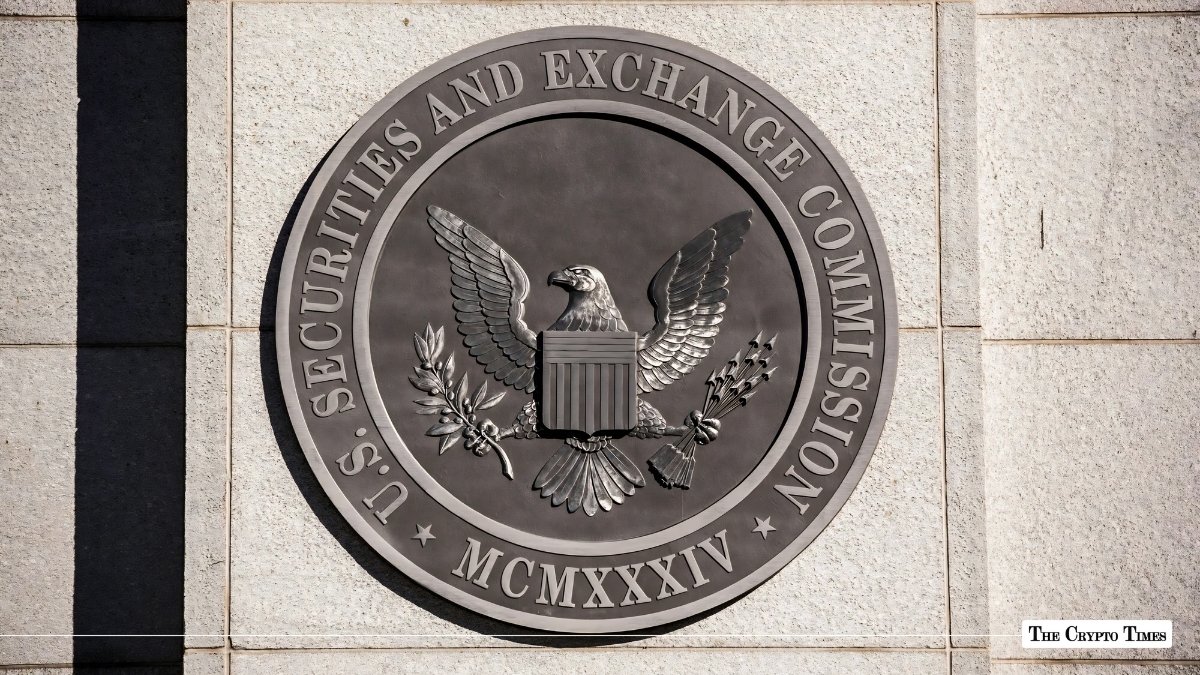
The U.S. Securities and Exchange Commission (SEC) has reportedly delayed the rollout of more than two dozen prediction-market exchange-traded funds (ETFs).
According to a Reuters report, these products were initially planned to go live in early May 2026 in the U.S. after being filed earlier this year by firms like Roundhill Investments, Bitwise Asset Management, and GraniteShares.
However, instead of allowing them to start trading, the SEC has asked for more details on how these products work and how risks will be explained to investors. The agency has now postponed the launch.
Turning real-world events into tradable bets
These proposed ETFs are built around existing prediction markets such as Kalshi and Polymarket. These platforms allow users to trade on what they think will happen in real life.
For instance, users can make predictions about election results, whether the economy will go into recession, how many layoffs will happen in the tech industry, or if oil prices will rise above a certain level. These new ETF versions aim to package those bets into a format that can be traded like regular stocks, making them easier for everyday investors to access.
According to filings, many of the products rely on derivatives tied to binary outcomes. In simple terms, they follow contracts that have only two outcomes: yes or no. If the event happens, the contract pays a fixed amount; if it does not happen, it pays nothing.
Investors can buy many of these contracts, and some ETFs allow rolling positions into future events, like the next election cycle. This makes it easy to keep betting on similar outcomes over time.
SEC steps in before deadline
The delay came just as the automatic approval timeline was about to end. Under SEC rules, ETF proposals typically become effective after 75 days unless the regulator steps in. That deadline was close, so the SEC moved in to review things more closely.
Reuters reported that sources familiar with the matter said the delay is likely temporary and part of routine oversight.
Big risks investors need to know
The filings also include strong warnings about potential risks. The companies say investors could face very big losses. Some filings describe the potential for “catastrophic” outcomes for investors. They also note that if an event result is later disputed or revised, losses would remain final, and investors cannot get their money back.
Despite these concerns, interest in the market is still growing fast. Platforms like Kalshi and Polymarket became popular after correctly pointing to the outcome of the 2024 U.S. election involving Donald Trump. Big trading platforms like Interactive Brokers and Robinhood have also started exploring this space, hoping to bring it to more users.
Some experts believe this market is still developing. Matt Hougan from Bitwise said, “It’s an area that is maturing rapidly and regulations and oversight are maturing rapidly as well.”
This suggests that while there are delays now, the idea is still moving forward. Moreover, similar products, like Bitcoin ETFs, also faced delays before they were finally approved.
Also Read: FACT CHECK: Terra Founder Do Kwon Pardoned After Investing in Trump’s WLFI Project