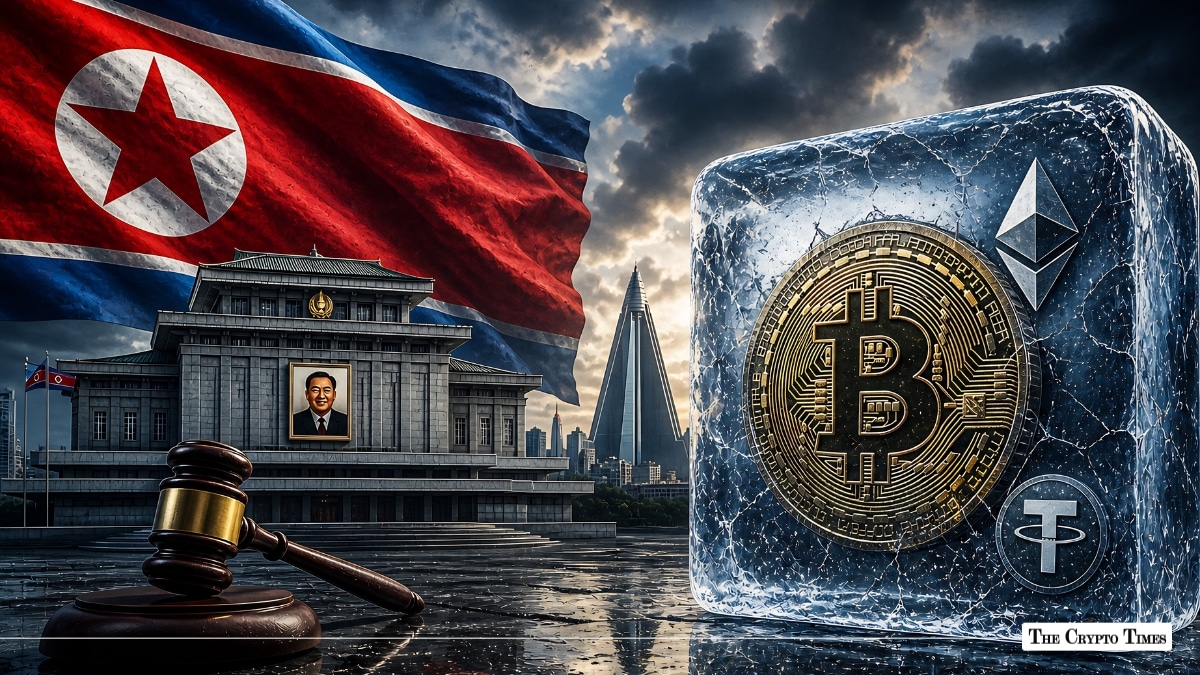
A U.S. law firm is seeking to claim frozen crypto assets linked to North Korea-backed hacks, using a 2015 court judgment. The move follows Arbitrum’s freeze of funds from the April 2026 Kelp DAO exploit, attributed to the Lazarus Group, and raises fresh questions about how recovered funds should be distributed. Critics warn the approach could complicate payouts for victims of recent exploits.
The issue gained attention after a post by Imperium Paper highlighted potential legal obstacles. The post said, “This is why the Arbitrum Security Council was not kind to the DAO.” It added that a 2015 restraining order could delay transfers and interfere with recovery efforts tied to the Reverend Kim case.
Disputed claims over frozen crypto
On-chain analyst ZachXBT sharply criticized the legal strategy in a post on X. He wrote, “This is a predatory US law firm with a strategy that is pure evil.” He argued the firm uses an old judgment to pursue claims on recently frozen crypto assets.
He added that the firm relies on publicly available blockchain analysis from earlier cases, including incidents involving Bybit and Harmony. According to him, the firm uses that data to assert priority over seized funds. “When all they did is read my posts after I did the difficult part of gathering evidence to support the freeze,” he said.
The claim traces back to the 2015 judgment in the Han Kim et al. case against North Korea, which stems from the 2000 abduction of Reverend Dong Shik Kim. Critics emphasize it has no direct connection to the recent crypto hacks.
Broader legal and security pressures
Gerstein Harrow LLP has a track record of similar actions against DAOs and crypto entities. The firm previously pursued comparable claims in other Lazarus-linked cases. Under U.S. post-judgment enforcement rules, creditors holding judgments against foreign states like North Korea can seek to garnish assets they believe are traceable to the judgment debtor — including frozen crypto held by protocols or DAOs. However, overlapping claims can slow restitution and trigger legal disputes over priority.
Meanwhile, mounting pressure is being applied throughout the crypto sector. Recently, a legal action against Circle Internet Financial involved its handling of an exploit, with the complaint suggesting that delays enabled the hackers to siphon off $230 million across the blockchain network.
The threat level keeps rising. According to Taylor Monahan, a security expert at MetaMask, North Korean affiliates have stolen billions worth of cryptocurrency since 2017, targeting WazirX and Bybit. Moreover, R3ACH researchers are sounding the alarm regarding the quiet inclusion of government-affiliated developers in DeFi projects.
In light of this, the ongoing litigation highlights a fundamental tension in crypto: as on-chain freezes become more common, conflicting legal claims may shape how courts and DAOs handle digital asset recovery and victim restitution.
Also Read: Consensys Takes Aim at Key Gaps in U.S. Stablecoin Regulation