Key Highlights
- Arthur Hayes predicts Hyperliquid’s HYPE token could reach $150 by August 2026 (from ~$31 in March 2026), driven by revenue rebounding to $1.4B annualized and TradFi-style multiples.
- Ranked #3 crypto project by revenue (behind Tether/Circle), Hyperliquid dominates perps with $5.8B open interest. 97% of fees buy back HYPE; HIP-3 listings already add ~10% revenue, with new markets in metals/oil/indices gaining traction.
- Maelstrom’s largest holding is HYPE after heavy buys in the $20s–$30s. Fits Hayes’ pattern of bold predictions, sees Hyperliquid resilient in flat markets via real fees and upcoming HIP-4 upgrades.
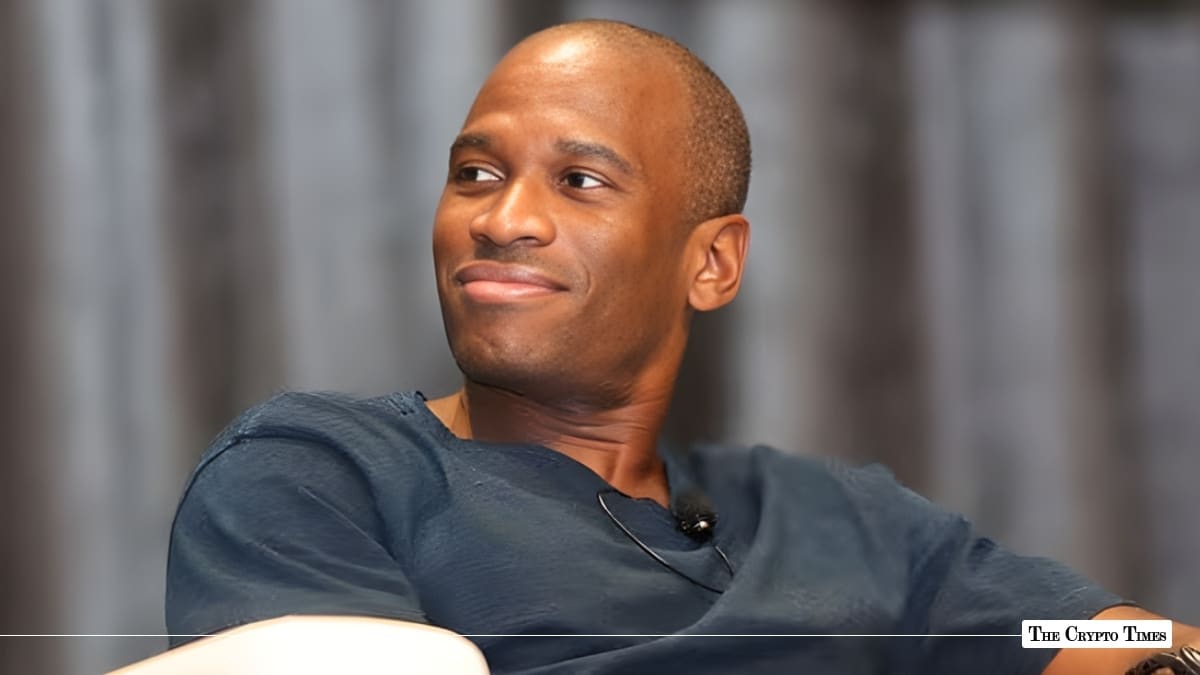
Arthur Hayes, BitMEX Co-Founder and Maelstrom CIO, is calling HYPE—the token powering decentralized perpetual powerhouse Hyperliquid—his top pick in a sluggish crypto market. He has projected the token to climb to $150 by August 2026, marking a roughly fivefold gain from its current levels hovering around $31.
In his latest essay, Hayes frames Hyperliquid as the standout revenue engine among non-stablecoin protocols. The platform’s 30-day annualized revenue sits at about $843 million in March 2026, trailing its August 2025 peak of $1.4 billion but still outpacing rivals.
Hayes bets on a rebound to that $1.4 billion run rate by mid-year, fueled by real trading activity and structural advantages over centralized exchanges.
“97% of [Hyperliquid’s] this revenue is used to buy back $HYPE tokens from the market,” Hayes wrote. “No other project in all of crypto hands as much money back to token holders as Hyperliquid. My August 2026 target price for $HYPE is $150, which is roughly 5x higher than its current price of ~$30 at the time of writing this essay.”
Hayes models the path to $150 assuming revenue ramps 66% over six months and a valuation multiple closer to TradFi norms as Hyperliquid captures more weekend price discovery and siphons share from CEXs.
Hyperliquid’s continuously growing dominance
Hyperliquid’s edge lies in consistent fee generation and aggressive tokenomics. As Hayes noted, nearly 97% of protocol revenue funds HYPE buybacks, directly supporting the token price.
As per DeFiLlama data, Hyperliquid is currently the third largest crypto project, after stablecoin issuers Tether and Circle, by revenue and largest in the decentralized perpetuals sector, having a bustling open interest of $5.836 billion.
Among the key growth drivers for Hyperliquid include HIP-3, the permissionless perpetual listings feature that has already driven nearly 10% of revenue since launch. Its new markets in precious metals, crude oil and indices are pulling in hundreds of millions in daily volume.
Hayes sees HIP-4, an impending upgrade for prediction markets and binary options, adding further upside within months, though he excludes it from his base model.
The BitMEX Co-Founder, known for his wild crypto predictions, highlighted that low slippage on large orders, genuine open interest, and a low average daily volume-to-open-interest ratio that signals organic.
That said, the bullish call comes with the caveat that it could serve as indirect promotion for an asset where Maelstrom, Hayes’ early-stage crypto-focused investment fund run by his family office, holds substantial exposure. Hayes has openly discussed entering and adjusting positions in HYPE multiple times over the past year, including earlier sales for profits before re-accumulating.
Still, this fits a broader pattern as Hayes has a long history of making bold, often outsized predictions across crypto assets, from repeatedly forecasting Bitcoin to hit $1 million by 2028 to spotlighting altcoins such as Zcash for privacy plays, Ethena (ENA), Pendle, and others for multi-fold gains in various market regimes.
While not all calls have panned out precisely, as Hayes has acknowledged hit rates around 25% in some reflections, his macro-tied theses on liquidity floods, Fed policy shifts, AI-driven disruptions, and exchange dominance continue to draw attention, even as personal or fund positions add a layer of self-interest to the narrative.
Also read: TRON’s Justin Sun Issues Fraud Warning After SEC Case Ends